

Water Heater Repair and Installation in Colorado Springs
Master Plumber-Led Water Heater Services
Rocky Mountain Plumbing Services provides water heater repair and installation in Colorado Springs for standard tank and tankless systems. Our licensed Master Plumber diagnoses water heater problems, explains whether repair or replacement is appropriate, and completes the work according to current plumbing codes.
If you have no hot water, inconsistent temperatures, unusual noises, or a leaking unit, we can inspect the system and identify the cause. We also install properly sized gas, electric, and tankless water heaters based on your household’s needs and the capacity of your home.
Water Heater Repair Services in Colorado Springs
Not every water heater problem means replacement. When repair is possible and safe, we’ll help extend the life of your system.
We repair common water heater issues such as:
Our goal is to identify the root cause—not just treat symptoms—so you’re not calling again in a few months for the same issue.
Should You Repair or Replace Your Water Heater?
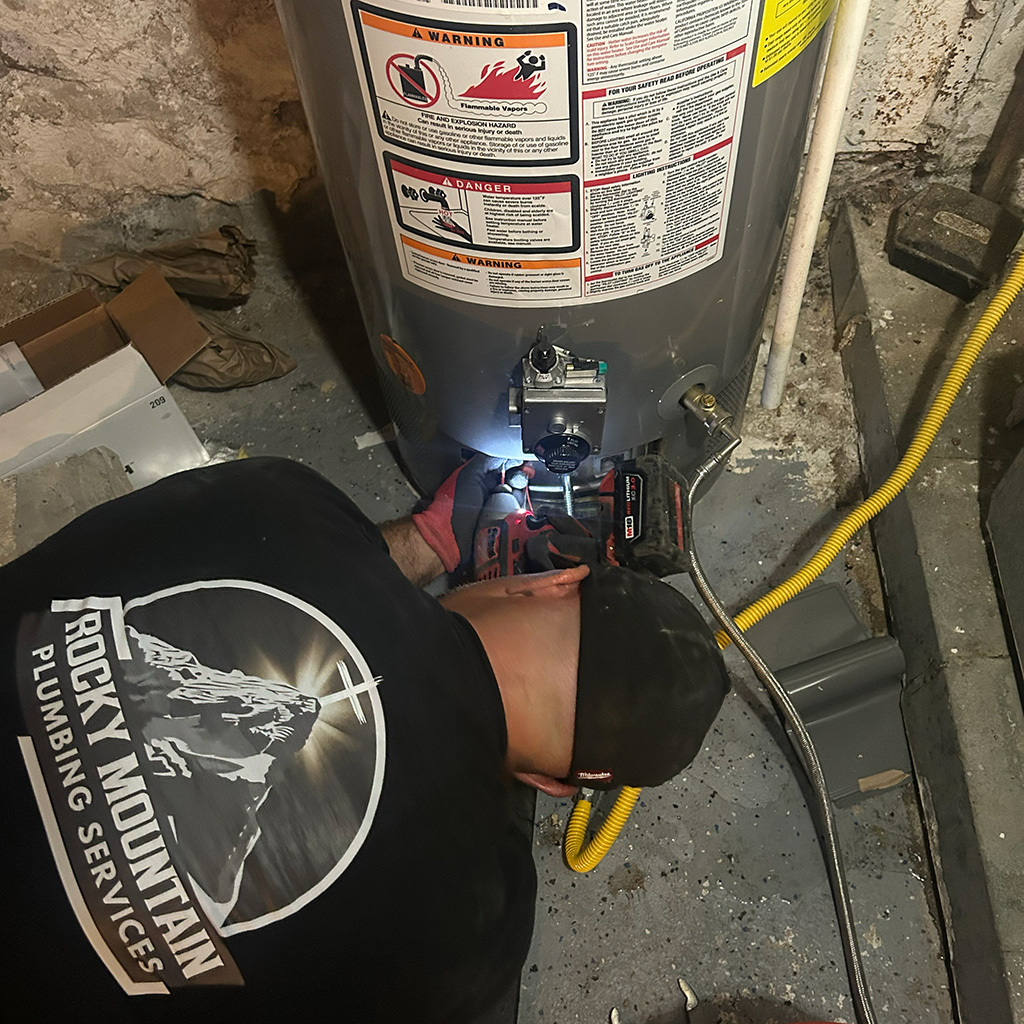
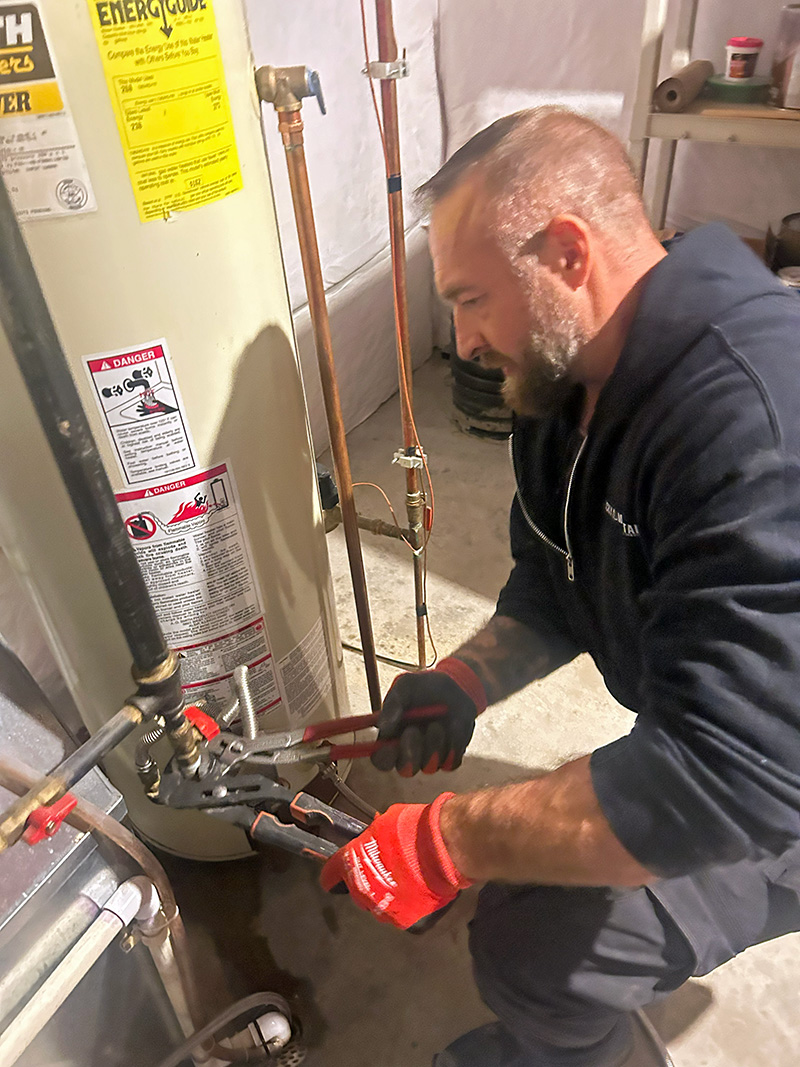
Whether you should repair or replace your water heater depends on its age, condition, repair history, and the type of problem. A relatively new unit with a replaceable thermostat, heating element, valve, or ignition component may be suitable for repair.
Replacement may make more sense when the tank is leaking, corrosion is present, repairs are becoming frequent, or the unit can no longer meet your household’s hot-water needs. Rocky Mountain Plumbing Services will inspect the system and explain both options when appropriate.
Water Heater Replacement and Installation
When an older water heater is leaking, unreliable, or no longer appropriate for the household, replacement may be the safer option. We install gas, electric, and tankless systems with attention to proper sizing, connections, venting, drainage, and required safety components.
Before recommending a new system, we consider:
- The number of people in the household
- Typical hot-water demand
- The available installation space
- Existing gas or electrical capacity
- Venting and drainage requirements
- The condition of current connections
- Local code and manufacturer requirements
A properly sized system can provide more consistent hot water without installing a larger or more expensive unit than the home requires.
Standard Tank Water Heaters
We install high-quality gas and electric tank water heaters designed for Colorado Springs homes.
Benefits include:
- Reliable hot water for daily use
- Proven, cost-effective technology
- Proper sizing for your household’s demand
- Safe installation with required code upgrades
Tankless Water Heater Installation in Colorado Springs
Tankless water heaters provide hot water on demand and can be a great option for certain households.
Advantages may include:
We’ll help you determine whether tankless is the right fit based on your home, usage patterns, and gas or electrical capacity.
What Happens During Water Heater Installation?
A professional water heater installation generally includes:
- Inspecting the existing system and installation area
- Reviewing household hot-water needs
- Selecting the appropriate system type and capacity
- Disconnecting and removing the old unit
- Installing the new water heater and required components
- Updating connections, venting, or safety equipment when necessary
- Filling and testing the system
- Checking for leaks and confirming proper operation
- Explaining basic operation and maintenance to the homeowner
The exact process depends on whether the home uses a gas, electric, tank, or tankless system
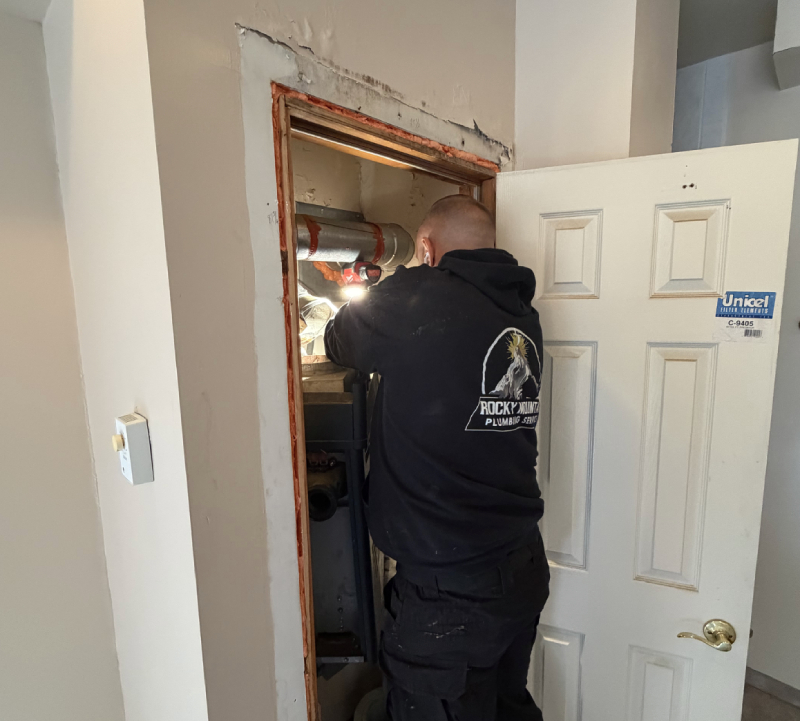
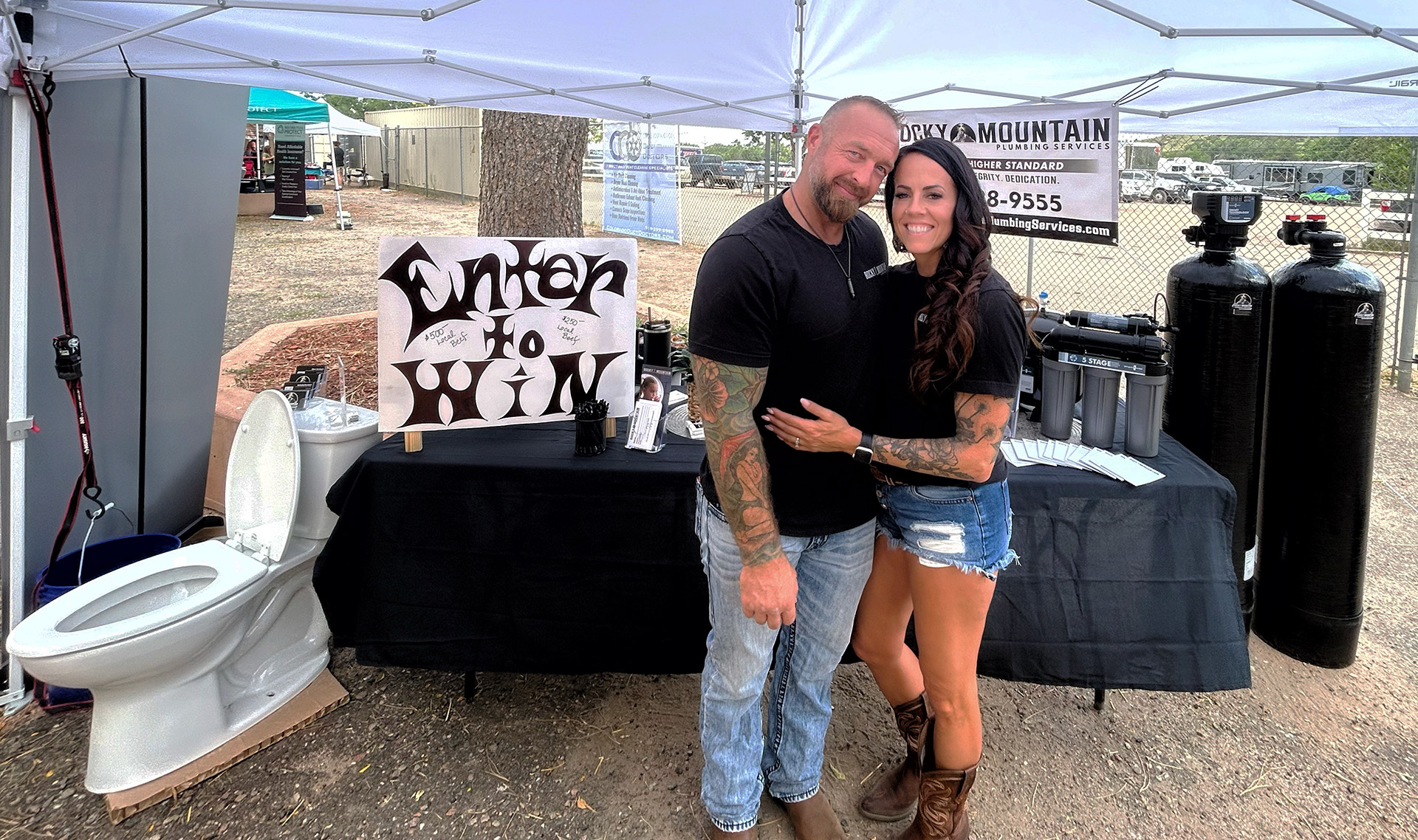

Water Heater Services in Colorado Springs and Nearby Communities
We provide water heater repair and installation throughout Colorado Springs and nearby communities, including
Not sure if we service your area? Just give us a call.
How Can You Help Your Water Heater Last Longer?
Routine care can help a water heater operate more reliably and may identify developing problems before they cause significant damage. Maintenance needs vary by system, water quality, and manufacturer instructions.
Helpful steps may include:
- Checking the area around the unit for moisture or corrosion
- Watching for changes in temperature or recovery time
- Listening for new popping or rumbling noises
- Having valves and connections inspected
- Flushing sediment when appropriate for the system
- Following the manufacturer’s maintenance schedule
- Scheduling professional service when performance changes
Homeowners should not attempt repairs involving gas, electrical components, pressure controls, or safety valves without the appropriate training.