

Well Water Testing2026-11-25T14:03:43-07:00

Well Water Testing in the Colorado Springs Area

If your home is on a private well, testing is the only way to know what’s in your water. Rocky Mountain Plumbing Services won’t recommend or install treatment on a well until the water has been lab tested. We collect the sample, send it to the lab, and go over the results with you before anyone talks about equipment.

Test Before You Treat

Why Water Testing and Proper Installation Matter

Water treatment recommendations should start with understanding your water. We test first, explain what we find, and help you choose the equipment your home actually needs.

Treatment equipment is built for specific problems. A softener handles hardness. A UV system handles bacteria. Neither fixes the other, so a system chosen without testing can cost thousands and still miss the real issue.
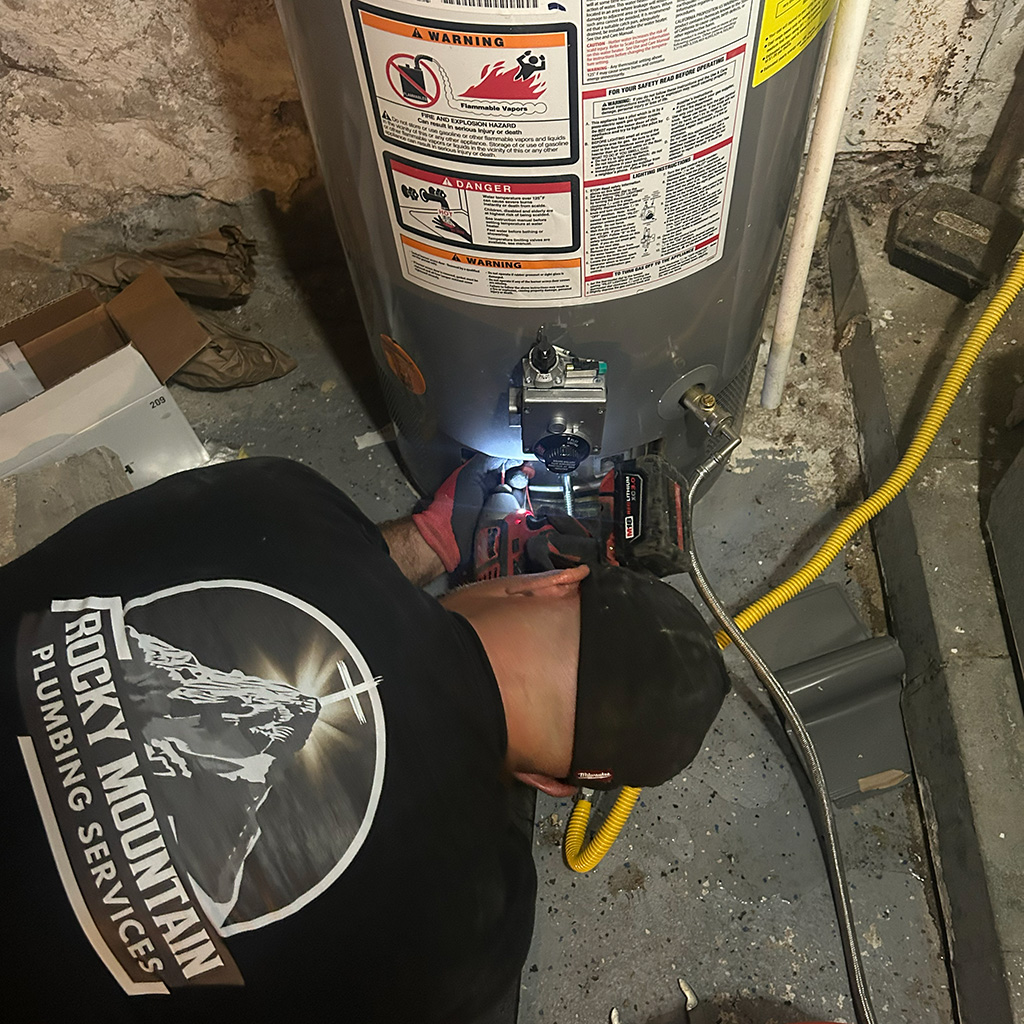
A plumber in a "Rocky Mountain Plumbing Services" shirt uses a power tool to handle plumbing repairs at the base of a water heater in a basement.

Real RMPS Field Example

A Second Look at a $45,000 System

One homeowner had a whole-home reverse osmosis system that cost about $45,000. After reviewing the lab results, Shane found they didn’t support that level of treatment. He bypassed the system and left it plumbed in place, which is expected to save the homeowner about $3,000 a year in maintenance.

We retest the well every year. If the results change, we’ll check whether the existing system fits the new results and what servicing it needs before it goes back into use.

Water & Plumbing Evaluation

When Installation Is the Problem

Some calls start with “my water treatment system isn’t working.” On several of those visits, Shane found the equipment had been installed incorrectly. That’s why we look at both your water and the installation before recommending a fix.

Our goal is treatment that fits your water, no unnecessary equipment, and a clear explanation of what you’re paying for and why.

Step-by-Step Lab Process

How Well Water Testing Works

1
Request testing.

Tell us about your well, what you’ve noticed (taste, smell, staining, or health concerns), and any treatment equipment already installed.

2
We collect the sample.

A technician takes the sample at your home and follows the lab’s collection and handling steps so the results reflect your water.

3
The lab runs the analysis.

Your sample goes to ETR Laboratories, an ISO/IEC 17025-accredited water testing lab.

4
We review the results with you.

You get a written report showing what was found, at what levels, and what needs attention.

5
Recommend only what’s supported.

Sometimes that’s a full treatment system. Often it’s a softener and a sediment filter. Sometimes it’s nothing.

A standard well water lab test is $275. That covers sample collection, the trip to your home, and a written report with our recommendations. For wells that need a closer look, we also offer a premium panel that tests for up to 249 contaminants for $895. Most wells don’t need it, and we’ll tell you if yours does.

CDC & El Paso County Guidance

Clear Water Can Still Have a Problem

Bacteria, nitrate, arsenic, uranium, and radon can’t be seen, smelled, or tasted. Private wells aren’t monitored by a utility the way city water is, so testing is up to the homeowner. El Paso County Public Health lists agricultural chemicals, animal runoff, fuel, and household waste among the common sources of well contamination.

The CDC recommends testing a private well at least once a year for total coliform bacteria, nitrate, total dissolved solids, and pH. A well with no testing history may need a broader first panel.
Front Range Well Experience

Well Water Varies Across Our Service Area

Two neighbors can have very different water. Many wells we test in Black Forest, Peyton, and Falcon are in good shape, and a softener and sediment filter cover everything they need. Others are unsafe to drink. One well we tested in Crystal Park was bad enough that Shane now retests it every three months.

We test wells across El Paso, Teller, Douglas, and Elbert counties, including Black Forest, Peyton, Falcon, Monument, Larkspur, Castle Rock, Woodland Park, and Elbert County.

How Do You Know It’s Time to Replace Your Water Heater?

Annual Monitoring

Retesting Keeps Your Treatment Honest

Groundwater changes. We recommend retesting once a year, and every three to six months for wells with known problems. If you already have a system, a retest shows whether it’s still doing its job or whether a filter or setting needs attention.

Authorized US Water Systems Dealer

Well Water Treatment That Fits Your Results

If treatment is needed, we design it around the numbers on your report. Common well water fixes include:

Rocky Mountain Plumbing Services is an authorized US Water Systems dealer, and Shane works closely with their engineering team on system design. More treatment isn’t always better. Whole-home reverse osmosis water, for example, can corrode metal plumbing if it isn’t balanced, which is one more reason to install only what your water calls for.

Well Water Testing FAQs

What should I do if my well test shows contamination?2026-11-25T14:04:21-07:00

Stop drinking the water and use bottled water until it’s treated. Boiling kills bacteria but doesn’t remove chemicals like nitrate or arsenic. We’ll explain the results, recommend treatment, and retest after installation to confirm it worked. El Paso County Public Health can also advise on safe water use.

Does a water softener make well water safe to drink?2026-11-25T14:04:21-07:00

No. A softener removes hardness minerals. It doesn’t remove bacteria, nitrate, arsenic, or uranium, which each need equipment chosen for that contaminant.

Should I test my well if I already have a treatment system?2026-11-25T14:04:21-07:00

Yes. A system only treats what it was built for, and filters and media wear out. Testing shows whether your equipment still matches your water.

Is an on-site water test the same as a lab test?2026-11-25T14:04:21-07:00

No. An on-site test can check hardness and pH, which helps size equipment. It can’t show whether water is safe to drink. Health-related results need a laboratory analysis.

How often should I test my well water?2026-11-25T14:04:21-07:00

At least once a year. The CDC recommends annual testing for total coliform bacteria, nitrate, total dissolved solids, and pH. Test sooner after flooding, well repairs, or a change in taste, color, or smell. Wells with known problems may need testing every three to six months.

How much does well water testing cost?2026-11-25T14:04:21-07:00

A standard well water lab test is $275, including sample collection, the trip to your home, and a written report with recommendations. A premium panel covering up to 249 contaminants is $895, though most wells don’t need it.

{
“@context”: “https://schema.org”,
“@graph”: [
{
“@type”: “Service”,
“@id”: “https://rockymountainplumbingservices.com/well-water-testing/#service”,
“name”: “Well Water Testing”,
“serviceType”: “Well water testing and treatment recommendations”,
“description”: “Lab testing for private wells before any water treatment is recommended or installed.”,
“url”: “https://rockymountainplumbingservices.com/well-water-testing/”,
“provider”: { “@id”: “https://rockymountainplumbingservices.com/#organization” },
“areaServed”: [
{ “@type”: “AdministrativeArea”, “name”: “El Paso County, CO” },
{ “@type”: “AdministrativeArea”, “name”: “Teller County, CO” },
{ “@type”: “AdministrativeArea”, “name”: “Douglas County, CO” },
{ “@type”: “AdministrativeArea”, “name”: “Elbert County, CO” }
],
“offers”: [
{ “@type”: “Offer”, “name”: “Standard well water lab test”, “price”: “275”, “priceCurrency”: “USD”, “description”: “Includes sample collection, trip charge, and a written report with recommendations.” },
{ “@type”: “Offer”, “name”: “Premium well water test (up to 249 contaminants)”, “price”: “895”, “priceCurrency”: “USD” }
] },
{
“@type”: “FAQPage”,
“mainEntity”: [
{ “@type”: “Question”, “name”: “How much does well water testing cost?”, “acceptedAnswer”: { “@type”: “Answer”, “text”: “A standard well water lab test is $275, including sample collection, the trip to your home, and a written report with recommendations. A premium panel covering up to 249 contaminants is $895, though most wells don’t need it.” } },
{ “@type”: “Question”, “name”: “How often should I test my well water?”, “acceptedAnswer”: { “@type”: “Answer”, “text”: “At least once a year. The CDC recommends annual testing for total coliform bacteria, nitrate, total dissolved solids, and pH. Test sooner after flooding, well repairs, or a change in taste, color, or smell. Wells with known problems may need testing every three to six months.” } },
{ “@type”: “Question”, “name”: “Is an on-site water test the same as a lab test?”, “acceptedAnswer”: { “@type”: “Answer”, “text”: “No. An on-site test can check hardness and pH, which helps size equipment. It can’t show whether water is safe to drink. Health-related results need a laboratory analysis.” } },
{ “@type”: “Question”, “name”: “Should I test my well if I already have a treatment system?”, “acceptedAnswer”: { “@type”: “Answer”, “text”: “Yes. A system only treats what it was built for, and filters and media wear out. Testing shows whether your equipment still matches your water.” } },
{ “@type”: “Question”, “name”: “Does a water softener make well water safe to drink?”, “acceptedAnswer”: { “@type”: “Answer”, “text”: “No. A softener removes hardness minerals. It doesn’t remove bacteria, nitrate, arsenic, or uranium, which each need equipment chosen for that contaminant.” } },
{ “@type”: “Question”, “name”: “What should I do if my well test shows contamination?”, “acceptedAnswer”: { “@type”: “Answer”, “text”: “Stop drinking the water and use bottled water until it’s treated. Boiling kills bacteria but doesn’t remove chemicals like nitrate or arsenic. We’ll explain the results, recommend treatment, and retest after installation to confirm it worked.” } }
] },
{
“@type”: “BreadcrumbList”,
“itemListElement”: [
{ “@type”: “ListItem”, “position”: 1, “name”: “Home”, “item”: “https://rockymountainplumbingservices.com/” },
{ “@type”: “ListItem”, “position”: 2, “name”: “Water Treatment Systems”, “item”: “https://rockymountainplumbingservices.com/plumbing-services/water-treatment-systems/” },
{ “@type”: “ListItem”, “position”: 3, “name”: “Well Water Testing”, “item”: “https://rockymountainplumbingservices.com/well-water-testing/” }
] }
] }

Know What’s in Your Well Before You Buy Anything

Call (719) 428-9555 or request testing online, and we’ll schedule sample collection.

Request Well Water Testing

Tell us about your well and property, and our office will reach out to confirm your sample collection time.

Concerns (Select any that apply)
Go to Top