

Water softener vs. reverse osmosis is a common question for Colorado Springs homeowners who want better water at home. Both systems can improve water quality, but they solve different problems.
A water softener helps reduce hardness minerals that cause scale, spots, and wear on fixtures. A reverse osmosis system focuses on drinking water taste and certain dissolved substances. Rocky Mountain Plumbing Services helps you compare both options based on your water, plumbing, and daily use.
What Is A Water Softener?
What is a water softener? It is a whole-home water treatment system that reduces hardness minerals, usually calcium and magnesium. These minerals are common in hard water and can leave chalky buildup on faucets, showerheads, dishes, and appliances.
Most softeners use ion exchange. Hard water passes through a tank with resin beads. The beads collect calcium and magnesium, then softened water flows into the home.
A softener is often a good fit when your main problem is scale. Signs include cloudy dishes, stiff laundry, dry-feeling water, clogged faucet aerators, and buildup around fixtures. It can also help protect water heaters, dishwashers, washing machines, and ice makers.
What Is A Reverse Osmosis System?
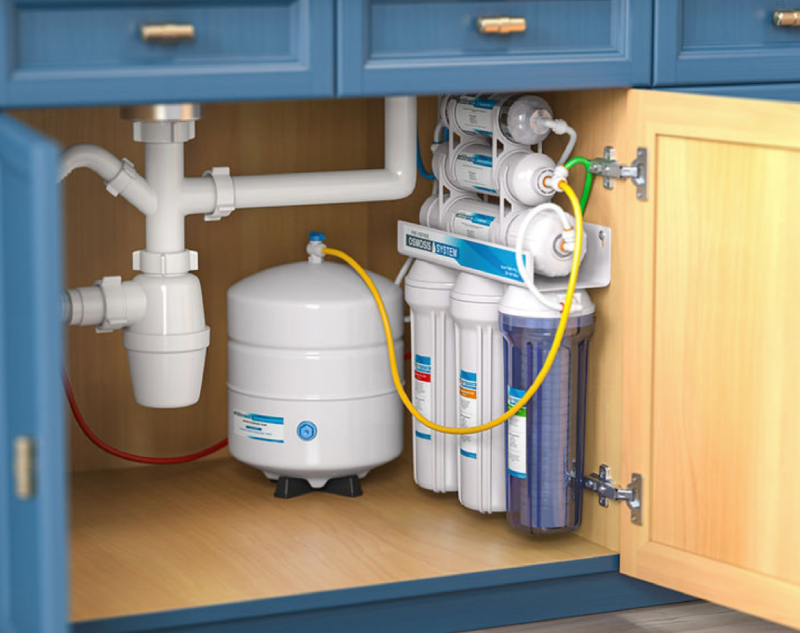
What is a reverse osmosis system? It is a drinking water treatment system, often called an RO system. It uses filters and a special membrane to help reduce certain dissolved substances before water reaches a dedicated faucet.
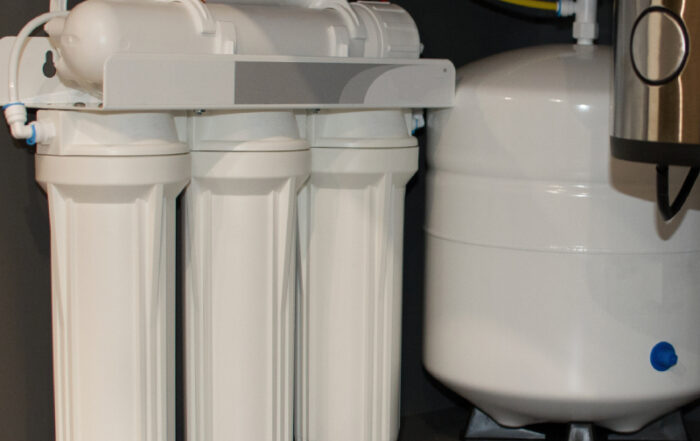
Most reverse osmosis systems are installed under the kitchen sink. They may include prefilters, an RO membrane, a storage tank, and a separate faucet. Some systems can also connect to a refrigerator or ice maker.
RO is usually best when you want better drinking water taste, reduced odors, or extra filtration at the tap. It treats water for drinking and cooking, not every fixture in the home.
Key Differences Between Reverse Osmosis And Water Softener Systems
The main difference is what each system treats. A water softener targets hardness minerals throughout the home. A reverse osmosis system treats drinking water at one tap, usually in the kitchen.
With a softener, you may notice fewer spots, better soap performance, softer laundry, and less buildup on fixtures. With RO, you may notice better-tasting drinking water and clearer ice.
Some homes need one system. Some need both. If your home has hard water and poor-tasting drinking water, a reverse osmosis and water softener setup may make sense. The softener helps protect plumbing and appliances. The RO system improves water at the tap.
Water Softener vs. RO System: Which Is Right For You?
Water softener vs. RO system decisions should start with your main concern. If scale, spots, or appliance wear are the main issues, start with a softener. If taste, odor, or drinking water quality is the main concern, RO may be the better fit.
Water testing can help you avoid guessing. It gives a clearer view of hardness and other water concerns in your home.
Your habits matter, too. If your family drinks a lot of tap water or wants to use less bottled water, RO may help. If your home has cloudy dishes, stiff laundry, or water heater buildup, a softener may offer more whole-home value.
Rocky Mountain Plumbing Services can explain your options without pushing equipment you do not need.
Reverse Osmosis Systems
Reverse osmosis systems are a practical choice for better drinking water from a dedicated faucet. They are commonly installed in kitchens and can improve water used for drinking, coffee, tea, cooking, and ice.
The right RO system depends on your water quality, space, plumbing layout, and drinking water goals. Proper installation matters. The system needs correct connections, drainage, pressure, and access for future filter changes.
Rocky Mountain Plumbing Services installs reverse osmosis systems for Colorado Springs homeowners who want a clear drinking water solution.
Water Softener Systems
Water softener systems are a better fit when hard water affects the whole home. They reduce hardness minerals before water reaches fixtures, appliances, and plumbing components.
A properly installed softener can help reduce scale, make cleaning easier, and support longer-lasting performance from water-using appliances. It can also make showers, laundry, and dishwashing less frustrating.
Rocky Mountain Plumbing Services installs water softener systems with honest recommendations, proper sizing, and code-compliant workmanship.
If you are comparing water treatment options for your Colorado Springs home, Rocky Mountain Plumbing Services can help. Schedule water testing, ask about reverse osmosis systems, or request an estimate for water softener systems.
Call Rocky Mountain Plumbing Services or contact us online for clear guidance. If you are stuck on water softener vs. reverse osmosis, the team can help you understand what each system does and which option fits your home.
Recent Posts
Why Does Water Taste Different in Colorado Springs Neighborhoods?
Have you ever noticed that water at a friend's house across town tastes different from [...]
Hard Water vs. Soft Water: What is the Difference?
If you live in Colorado Springs, you have probably noticed white spots on your dishes, [...]
What Is Reverse Osmosis?
Many Colorado Springs homeowners ask us what is reverse osmosis and whether it is the [...]