

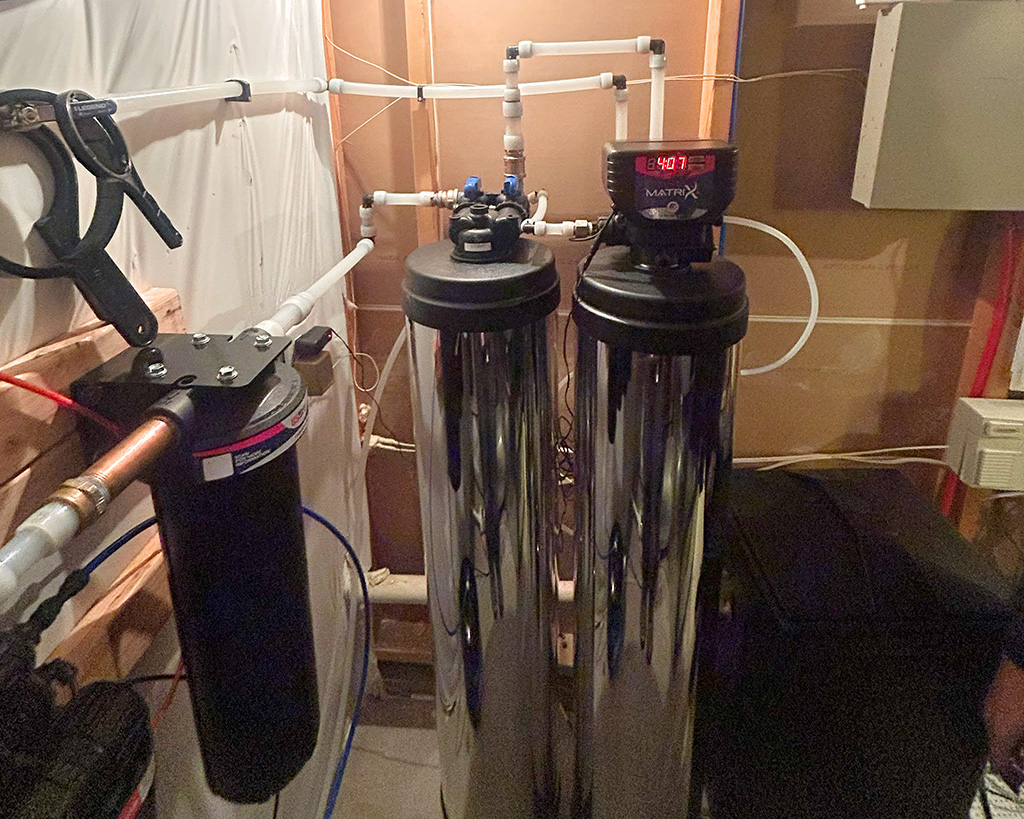
Are you a Colorado Springs homeowner who is wondering how water treatment systems work? Many families notice changes in their water quality but are unsure what those issues mean or which solutions actually help. Hard water, mineral buildup, unusual taste, and appliance wear are common concerns that lead homeowners to explore water treatment options.
Water treatment is not a one-size-fits-all solution. Different systems are designed to address different water concerns, from reducing hardness minerals to improving drinking water quality. Understanding the available options can help you make a confident decision instead of investing in equipment that may not solve your specific problem.
Rocky Mountain Plumbing Services helps Colorado Springs homeowners evaluate their water quality and choose solutions based on their actual needs. With more than 25 years of plumbing experience and Master Plumber expertise, our approach is focused on honest recommendations, quality installations, and long-term results.
This guide explains common water treatment methods, how they work, and what Colorado Springs homeowners should know before installing a system.
What Are Water Purification Methods?
Water purification methods are the different technologies used to improve the quality, safety, and performance of residential water. Each method is designed to target specific concerns, which means the best solution depends on what is present in your water and what you want to improve.
Some homeowners are primarily concerned about hard water and mineral buildup. Others want better-tasting drinking water, reduced chlorine taste, or additional filtration for their family. In many cases, homes benefit from combining multiple treatment technologies.
Common water treatment methods for Colorado Springs homes include:
Sediment filtration
Sediment filters remove larger particles such as dirt, sand, and rust from the water supply. These filters are often used as the first stage of a treatment system because they help protect other equipment and prevent debris from reaching plumbing fixtures.
Carbon filtration
Carbon filtration uses activated carbon to reduce chlorine taste, odors, and certain organic compounds. Many homeowners choose carbon filtration because it can improve the smell and taste of tap water throughout the home or at specific drinking water locations.
Reverse osmosis
Reverse osmosis uses a specialized membrane to reduce dissolved substances from drinking water. It is one of the most effective options for homeowners who want cleaner-tasting water directly from their kitchen faucet.
Water softening
Water softeners address hard water by reducing calcium and magnesium, the minerals responsible for scale buildup. A properly installed water softener can help protect fixtures, plumbing components, and appliances from long-term mineral accumulation.
UV purification
UV purification uses ultraviolet light to address microorganisms in water. It is more commonly used for homes with specific water sources or concerns where biological treatment is needed.
Choosing the right system starts with understanding your water. A professional evaluation can identify the issues affecting your home and help determine whether filtration, softening, reverse osmosis, or a combination approach makes the most sense.
Water Quality Testing Before a Treatment System
Before installing any water treatment equipment, testing your water is one of the most important steps you can take. Many homeowners notice symptoms such as spots on fixtures, unusual taste, or dry skin, but those signs do not always reveal the exact cause.
Water testing provides information about the actual condition of your water so you can choose equipment based on facts instead of assumptions.
A professional water test may measure:
- Water hardness levels
- pH balance
- Chlorine content
- Iron levels
- Total dissolved solids (TDS)
- Other minerals or substances that affect water quality
Understanding when to test your water is just as important as knowing what the test measures. Testing is recommended before purchasing a treatment system because it ensures the equipment matches your home’s needs.
You should also consider testing if you notice the following:
- White mineral spots on sinks, faucets, or shower doors
- Soap that does not rinse away easily
- Dry skin or hair after bathing
- Changes in taste or odor
- Appliances showing signs of mineral buildup
- Water quality changes after plumbing work or changes in supply
At-home test kits can provide basic information, but professional testing offers a more complete picture. A proper evaluation helps prevent homeowners from purchasing a system that is oversized, undersized, or designed for the wrong issue.
Rocky Mountain Plumbing Services provides water treatment evaluations for Colorado Springs homeowners. We review your results, explain your options clearly, and recommend solutions based on your home rather than trying to sell unnecessary equipment.
Before investing in a water treatment system, testing gives you the information needed to make the right decision.
What Is Reverse Osmosis? Benefits and How It Works
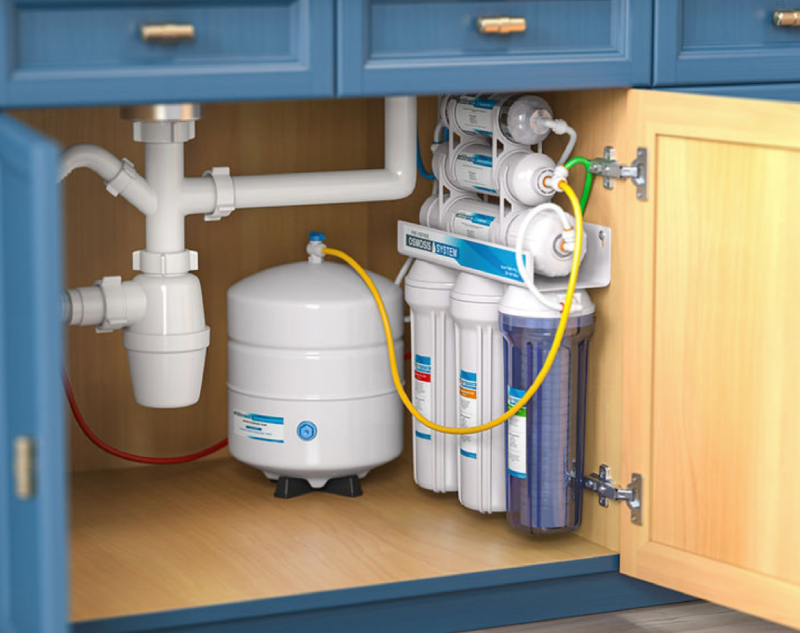
Reverse osmosis (RO) is one of the most effective drinking water treatment options available for homeowners who want cleaner, better-tasting water directly from their kitchen faucet. Many homeowners ask, What does reverse osmosis remove from water?, and the answer depends on the specific system, but RO technology is designed to reduce many dissolved substances that traditional filters may leave behind.
A reverse osmosis system works by pushing water through a semi-permeable membrane with extremely small openings. Water molecules pass through the membrane while many dissolved minerals, metals, and other substances are separated and flushed away.
A typical residential reverse osmosis system includes several stages:
- Sediment filtration: Removes larger particles that could damage the system.
- Carbon filtration: Reduces chlorine and protects the RO membrane.
- Reverse osmosis membrane: Provides the primary purification process.
- Post-filter: Improves taste before water reaches your faucet.
- Storage tank: Holds treated drinking water so it is available when needed.
One of the biggest benefits of reverse osmosis is improved drinking water quality. Many Colorado Springs homeowners choose RO systems because they want an alternative to bottled water or want additional confidence in the quality of the water their family drinks and cooks with.
Reverse osmosis can reduce substances such as the following:
- Calcium and magnesium
- Lead and copper
- Sodium
- Fluoride
- Nitrates
- Sulfates
- Other dissolved solids
However, it is important to understand that reverse osmosis is not designed to treat the entire home. It is typically installed at a drinking water faucet, such as the kitchen sink. If your concern is hard water affecting showers, appliances, and plumbing fixtures, a water softener is usually the better solution.
Many homeowners benefit from combining systems. A whole-home water softener can address hardness throughout the house, while a reverse osmosis system provides highly filtered drinking water at the kitchen sink.
Hard Water vs Soft Water in Colorado Springs
Understanding the difference between hard water and soft water is an important step for homeowners considering water treatment. While both hard and soft water are safe for everyday use, they affect your plumbing system, appliances, and daily routines in very different ways.
Hard water contains higher levels of naturally occurring minerals, especially calcium and magnesium. These minerals are picked up as water moves through underground rock formations before reaching your home.
Colorado Springs homeowners often experience hard water-related issues because mineral content can contribute to the following:
- White spots on faucets and shower glass
- Scale buildup around fixtures
- Reduced soap and shampoo performance
- Dry skin after bathing
- Mineral deposits inside appliances
- Reduced efficiency in water heaters
A water softener works through a process called ion exchange. Inside the system are resin beads that attract hardness minerals and replace them with sodium or potassium ions. This reduces the minerals responsible for scale buildup before water reaches your plumbing fixtures.
The benefits of softened water are noticeable throughout the home. Many homeowners report cleaner-looking fixtures, softer-feeling water during showers, and less time spent removing mineral deposits.
Softened water can also help protect appliances that rely on water, including:
- Water heaters
- Dishwashers
- Washing machines
- Coffee makers
- Plumbing fixtures
Over time, mineral buildup can reduce efficiency and shorten the useful life of equipment. Installing the correct water softener for your household size and water conditions can help protect your investment.
A common question homeowners ask is whether a water softener is necessary. The answer depends on your water hardness level, your preferences, and the issues you are experiencing. A professional water test can determine whether hardness is affecting your home and whether treatment would provide meaningful benefits.
Why Does Water Taste Different in Colorado Springs?
Many Colorado Springs homeowners notice that their tap water does not always taste the same from one home to another. If you have wondered why tap water tastes different depending on where you live, several factors can contribute to those differences.
The primary factor is the source of the water. Colorado Springs receives water from multiple sources, including reservoirs and other supply systems. Each source has a unique mineral profile, which can affect the taste and overall characteristics of the water entering your home.
Minerals naturally found in water can influence flavor. Calcium and magnesium may create a slightly mineral taste, while iron can contribute to a metallic flavor. Higher levels of total dissolved solids (TDS) can also affect how water tastes.
Chlorine is another common factor. Municipal water providers use chlorine as part of the treatment process to help keep water safe throughout the distribution system. Some homeowners notice chlorine taste or odor more than others depending on their location, plumbing system, and personal sensitivity.
Changes in taste may also come from:
- Aging plumbing materials
- Seasonal changes in water supply
- Sediment buildup
- Changes in household plumbing conditions
The best solution depends on what is causing the issue. Carbon filtration can help reduce chlorine taste and odors, while reverse osmosis can address many dissolved substances that affect drinking water quality.
If you are unsure what is affecting your home’s water, testing is the best place to start. Instead of guessing which filter to buy, a professional evaluation can identify the cause and provide a targeted solution.
For Colorado Springs homeowners, improving water quality does not always mean installing the most expensive system. The right solution is the one that addresses your specific concerns and fits your home.
Tips for Choosing a Water Filter for Your Home
Choosing the right water filter for your home starts with understanding what you want to improve. With so many options available, homeowners often feel overwhelmed by the number of systems, features, and recommendations they see online.
The best system is not always the most advanced or expensive option. The right solution depends on your water quality, your household needs, and the problems you are trying to solve.
If chlorine taste or odor is your main concern, a carbon filtration system may be a good choice. Carbon filters can improve the taste and smell of water by reducing chlorine and certain organic compounds.
If you want cleaner drinking water with additional filtration, a reverse osmosis system may be the right option. RO systems are designed specifically for drinking and cooking water, helping reduce many dissolved substances that standard filters cannot remove.
If your biggest concern is mineral buildup, a water softener may provide the greatest benefit. Softening your water throughout the home can help reduce scale on fixtures, improve soap performance, and protect water-using appliances.
Many Colorado Springs homeowners benefit from a combination approach:
- A whole-home water softener to address hard water
- A reverse osmosis system for high-quality drinking water
- Additional filtration when specific water concerns require it
A professional water filter recommendation should always begin with testing. Without understanding your water quality, it is difficult to know whether you need filtration, softening, reverse osmosis, or another solution.
Rocky Mountain Plumbing Services helps homeowners make informed decisions about water treatment. We evaluate your water, explain your options in simple terms, and recommend solutions designed around your home rather than selling equipment you do not need.
Our goal is to provide long-lasting results through quality products, proper installation, and honest guidance.
How Rocky Mountain Plumbing Services Helps Colorado Springs Homeowners
Choosing a water treatment system is an investment in your home, and having the right plumbing professional matters. The wrong equipment or improper installation can prevent a system from working effectively.
Rocky Mountain Plumbing Services brings more than 25 years of plumbing experience to every project. As a Master Plumber-led company, we focus on doing the job correctly the first time while providing straightforward recommendations homeowners can trust.
Our water treatment process includes:
1. Understanding your concerns
Every homeowner has different goals. Some want better-tasting drinking water. Others are dealing with hard water, mineral buildup, or appliance concerns. We start by understanding what you are experiencing.
2. Testing your water
Water testing helps identify the specific characteristics of your home’s water so we can recommend the right solution.
3. Explaining your options
We believe homeowners should understand their choices. We explain how each system works, what it addresses, and whether it makes sense for your home.
4. Installing quality equipment
A properly installed system performs better and lasts longer. Our focus is on quality components and dependable workmanship.
Whether you need a water softener, reverse osmosis system, or a complete water treatment solution, our team helps you find an approach that fits your needs.
Frequently Asked Questions About Water Treatment Systems
Here are answers to some common questions about water treatment systems:
Improve Your Home’s Water Quality With Rocky Mountain Plumbing Services
Water quality affects more than just how your water tastes. Hard water and mineral buildup can impact fixtures, appliances, and the overall comfort of your home. Understanding how water treatment systems work is the first step toward finding the right solution for your household.
If you are ready to improve your home’s water quality, contact Rocky Mountain Plumbing Services to schedule a water test or request an estimate today.
Recent Posts
How Do Water Treatment Systems Work? A Colorado Springs Homeowner Guide
Are you a Colorado Springs homeowner who is wondering how water treatment systems work? [...]
Tips for Choosing a Water Filter for Your Home
Choosing a water filter can feel overwhelming when you start looking at the options. There [...]
Why Does Water Taste Different in Colorado Springs Neighborhoods?
Have you ever noticed that water at a friend's house across town tastes different from [...]