

Have you ever noticed that water at a friend’s house across town tastes different from the water at yours? You are not imagining it. Many homeowners wonder why water tastes different from one part of Colorado Springs to another, and the answer involves several factors working together.
Your water’s taste is shaped by where it comes from, what minerals it picks up along the way, and how it is treated before reaching your tap. Understanding these factors can help you decide whether a filtration or treatment system would improve the water in your home.
Groundwater Sources Shape the Taste Before It Reaches Your Tap
Colorado Springs draws water from multiple groundwater sources and surface water supplies. Different neighborhoods may receive water from different reservoirs, wells, or treatment plants. Each source has its own mineral profile, and that profile directly affects how the water tastes when it comes out of your faucet.
Water that travels through limestone and granite picks up calcium, magnesium, and other dissolved minerals. The amount varies depending on the geology of the area where the water originates. A neighborhood supplied primarily by mountain runoff may have a different mineral balance than one drawing from deep wells.
This is why two homes just a few miles apart can have noticeably different water. The source matters, and Colorado Springs has enough variety in its water supply to create real differences across the city.
Common Minerals in Drinking Water That Affect Taste
Several minerals in drinking water contribute to taste differences that homeowners notice. Calcium and magnesium, the minerals responsible for water hardness, can give water a slightly chalky or mineral-heavy flavor. At higher concentrations, the taste becomes more noticeable.
Iron is another common factor. Even small amounts of iron can create a metallic taste that many people find unpleasant. Sulfates can add a slightly bitter quality. Total dissolved solids (TDS) provide a general measure of everything dissolved in your water, and higher TDS readings often correlate with a stronger mineral taste.
None of these minerals are necessarily harmful at the levels found in municipal water. But they do affect how your water tastes, how your coffee and tea turn out, and whether you reach for a glass from the tap or buy bottled water instead.
Chlorine Levels in Water Change It Even Further
Municipal water treatment plants add chlorine or chloramines to keep water safe as it travels through miles of pipes to your home. This is an important public health measure, but it also affects taste and smell.
Chlorine levels in water can vary depending on your distance from the treatment plant, the time of year, and current demand on the system. Homes closer to the plant may notice a stronger chlorine taste. During warmer months, treatment plants sometimes increase chlorine levels to maintain safe conditions in the distribution system.
Some homeowners get used to the taste over time. Others find it consistently unpleasant, especially when drinking water straight from the tap or making beverages where the flavor is more noticeable. A carbon filter at the point of use can reduce chlorine taste and odor without affecting the safety of your water.
Tap Water vs. Filtered Water: Which One Actually Tastes Better?
The tap water vs. filtered water debate comes down to personal preference and what is in your specific water supply. For many Colorado Springs homeowners, a filtration system makes a noticeable improvement in taste.
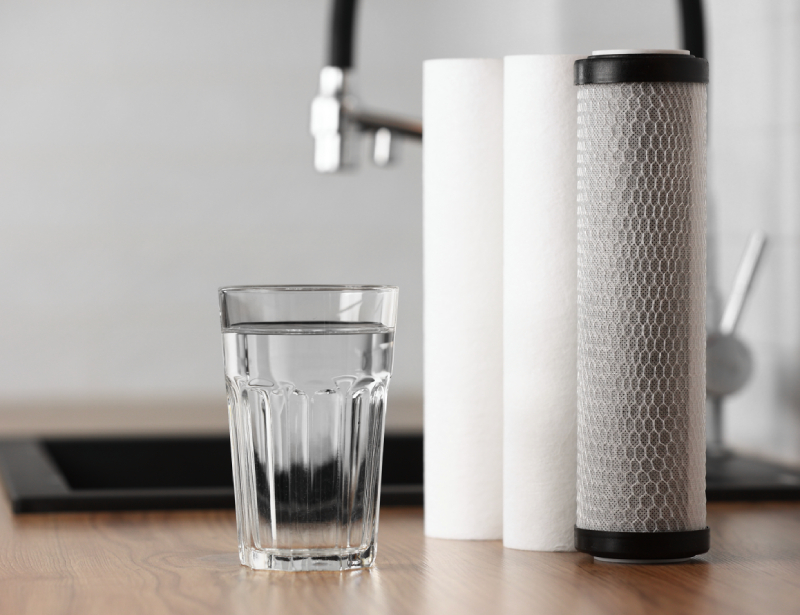
A basic carbon filter, whether installed under the sink or as part of a whole-home system, can reduce chlorine taste, sediment, and certain organic compounds. The result is water that tastes cleaner and more neutral.
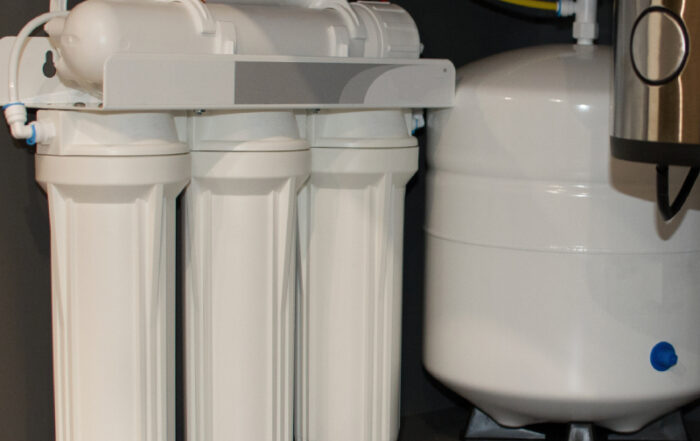
For homeowners dealing with higher mineral content or dissolved solids, a reverse osmosis system takes filtration further. It reduces the dissolved minerals that contribute to that heavy or metallic taste, producing water that is closer to what you would find in a high-quality bottle.
The right choice depends on your water test results and what bothers you most about your current water. Some homes only need a simple carbon filter. Others benefit from a more comprehensive approach.
Rocky Mountain Plumbing Services can test your water and help you understand exactly why water tastes different at your address. From there, we can recommend water treatment systems that address your specific concerns without overcomplicating the solution.
If you want better-tasting water in your Colorado Springs home, contact us to schedule a water test or request an estimate. We will help you find the right fit for your household.
Recent Posts
Why Does Water Taste Different in Colorado Springs Neighborhoods?
Have you ever noticed that water at a friend's house across town tastes different from [...]
Hard Water vs. Soft Water: What is the Difference?
If you live in Colorado Springs, you have probably noticed white spots on your dishes, [...]
What Is Reverse Osmosis?
Many Colorado Springs homeowners ask us what is reverse osmosis and whether it is the [...]