

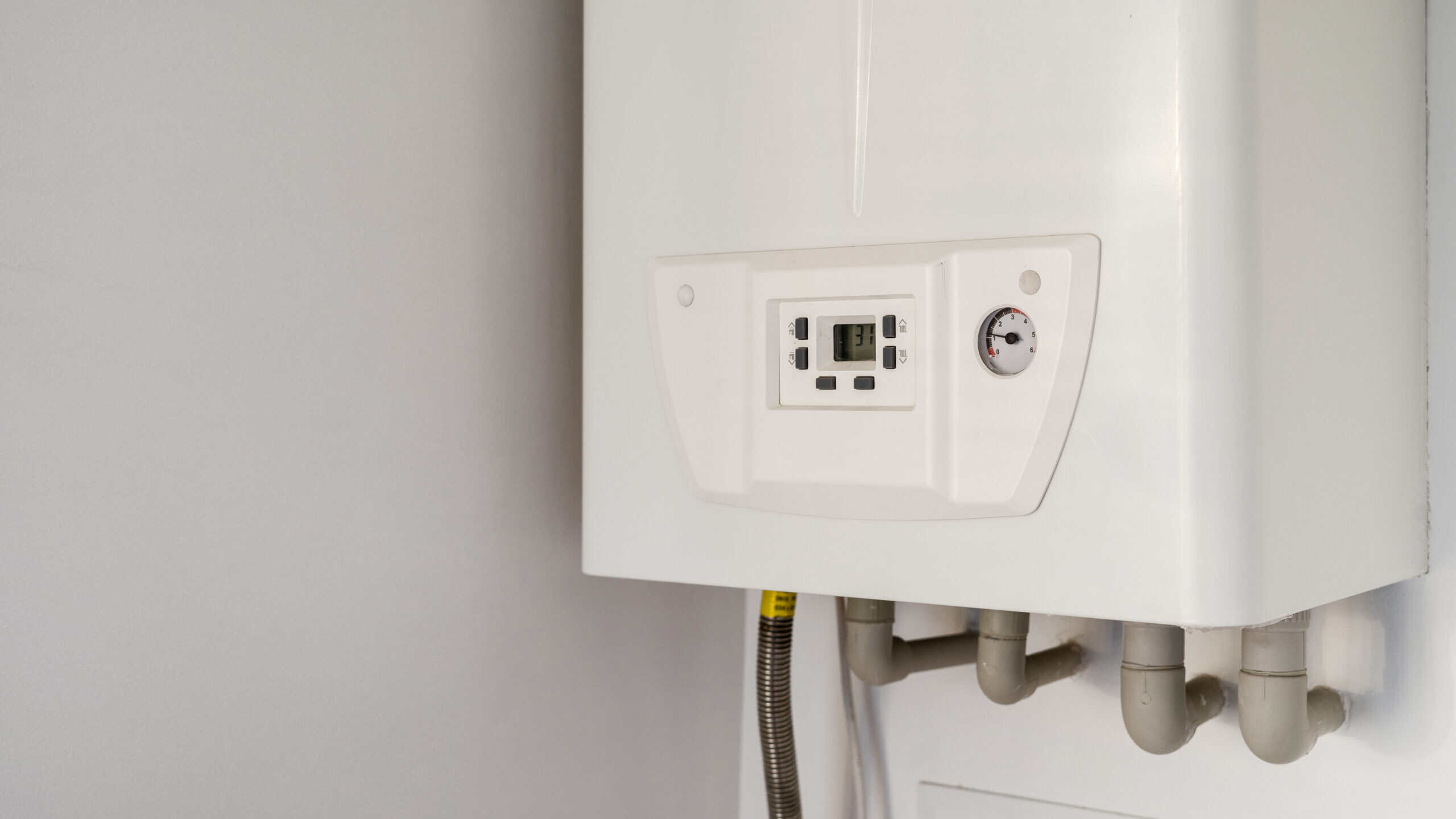
Most homeowners don’t think about their water heater until the shower turns cold or they notice water pooling around the tank. By then, the problem may have been developing for months.
So, how long do water heaters last, and how can you tell when yours is nearing the end of its useful life?
Most traditional tank water heaters last 8–12 years, while tankless models can last 15-20 years or longer with proper maintenance. In Colorado Springs, hard water mineral buildup, maintenance habits, and installation quality can all affect how long a unit performs reliably.
Average Water Heater Lifespan by Type
The type of water heater in your home is one of the biggest factors affecting its expected service life.
Traditional tank water heaters
Most gas and electric tank models last approximately 8–12 years. Some last longer with regular maintenance, but internal corrosion and sediment buildup eventually take their toll.
Tankless water heaters
These systems typically last 15–20 years or longer when properly maintained. They heat water as needed rather than storing it in a large tank, although mineral deposits can still affect their internal components.
Hybrid heat pump water heaters
These units generally have a water heater lifespan of around 10–15 years. They use electricity to move heat from surrounding air into the water, reducing energy consumption under suitable operating conditions.
These estimates are useful starting points. The condition of your particular unit matters more than its age alone.
What Shortens a Water Heater’s Life in Colorado Springs?
Hard water can contribute to water heater problems in Colorado Springs homes. Calcium and magnesium in hard water can accumulate inside water heaters over time, forming mineral deposits that may reduce efficiency and affect performance.
In tank-style units, sediment can collect at the bottom, reducing heating efficiency and contributing to overheating or premature component wear. Tankless systems can develop scale inside their heat exchangers, restricting water flow and reducing performance.
A few other factors can shorten a water heater’s useful life:
- Skipped maintenance: Sediment buildup and worn components can go unnoticed without periodic inspections.
- High water pressure: Excessive pressure places additional stress on tanks, valves, and plumbing connections.
- Corrosion: A depleted anode rod can leave a tank more vulnerable to internal rust.
- Improper installation: Incorrect sizing, venting, or gas settings can affect performance and safety.
Colorado Springs’ elevation also matters for gas-fired water heaters. Equipment must be rated and configured for local altitude conditions, following manufacturer instructions.
Regular maintenance and appropriate water softener systems can help address mineral-related problems where testing shows treatment is needed.
Signs of Water Heater Failure
Some water heaters stop working suddenly. Others provide warning signs weeks or months before a breakdown.
Common signs of water heater failure include:
- Inconsistent hot water: Showers turn cold sooner than expected, or water temperatures fluctuate.
- Unusual noises: Popping, rumbling, or banging may indicate sediment collecting inside the tank.
- Rust-colored hot water: Discoloration may point to corrosion inside the heater or elsewhere in the plumbing.
- Water around the tank: Moisture or puddles may indicate leaking fittings, valves, or the tank itself.
- Increasing energy use: A struggling heater may consume more energy to deliver the same amount of hot water.
These symptoms don’t always mean replacement is necessary. A faulty thermostat, heating element, or valve may be repairable.
However, an actively leaking tank needs prompt professional attention. Tank corrosion generally cannot be repaired reliably.
For practical steps to protect your system during colder months, see our winter water heater maintenance tips.
When to Replace a Water Heater
Knowing when to replace a water heater depends on its age, condition, repair history, and the cost of keeping it running.
Start by checking your water heater age. The manufacturer’s label often includes a manufacture date or serial number that can help establish when the unit was made.
If a traditional tank heater is approaching 10–12 years old and requires frequent repairs, replacement may be more practical than continuing to pay for service calls.
A younger unit with a minor component failure may still have years of reliable use ahead.
Master Plumber Shane Ebersbach brings more than 25 years of plumbing experience to Rocky Mountain Plumbing Services. His team can assess the heater’s condition, explain available options, and help you make an informed decision without unnecessary replacement pressure.
If you’re wondering how long water heaters last in your Colorado Springs home, a professional inspection can give you a clearer answer.
Explore our water heater services in Colorado Springs or learn more about Rocky Mountain Plumbing.
Ready to have your system checked? Contact our plumbing team to request an estimate for water heater repair or replacement.
Recent Posts
How Long Do Water Heaters Last? Signs It’s Time to Replace
Most homeowners don't think about their water heater until the shower turns cold or they [...]
How Do Water Treatment Systems Work? A Colorado Springs Homeowner Guide
Are you a Colorado Springs homeowner who is wondering how water treatment systems work? [...]
Tips for Choosing a Water Filter for Your Home
Choosing a water filter can feel overwhelming when you start looking at the options. There [...]