

Water softener installation can help Colorado Springs homeowners reduce hard water problems throughout the home. If you see scale buildup, spots on dishes, dry-feeling water, or wear on fixtures and appliances, a properly installed system can make daily water use easier.
Rocky Mountain Plumbing Services installs water softeners with clear communication, proper setup, and code-compliant workmanship. Before work starts, you should know where the system may go, how installation works, what affects cost, and what to expect during the appointment.
Where To Install A Water Softener
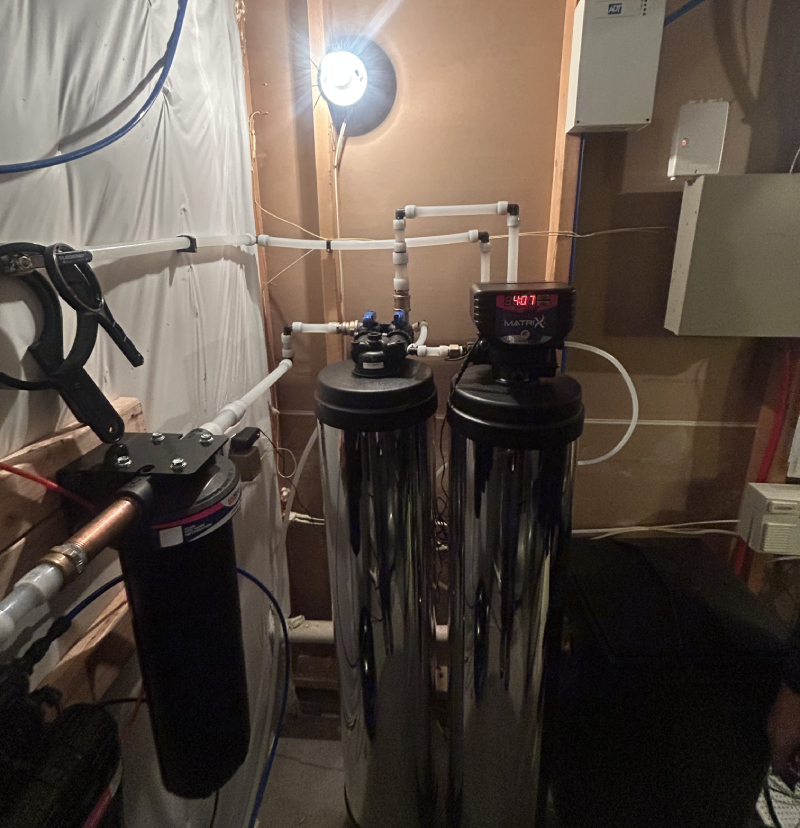
Where to install a water softener depends on your plumbing layout. In many homes, the system is placed near the main water line before water branches out to fixtures and appliances. That helps the softener treat water before it moves through the rest of the home.
Common locations include basements, garages, utility rooms, mechanical rooms, or spaces near the water heater. The best spot needs access to drainage, power, and enough room for service.
The system should also be easy to reach. If it is hard to access, adding salt and handling maintenance becomes more difficult. Rocky Mountain Plumbing Services can inspect your plumbing and help choose a practical location.
How Much Does Water Softener Installation Cost?
How much a water softener costs depends on the equipment, plumbing setup, and installation needs. A simple replacement may cost less than a first-time installation that needs new connections, drainage work, or changes to existing plumbing.
System size also matters. A larger household or more severe hard water may need a different setup than a smaller home with lower water use. Water testing helps confirm what makes sense.
Online prices may not include proper installation, plumbing materials, setup, or future service needs. A water softener connects to your plumbing system, so the work should be priced based on your home.
How Is A Water Softener Installed?
How is a water softener installed? The process usually starts with checking the plumbing layout and choosing the best installation location. The plumber also reviews drainage, power, space, and access.
Next, the water supply is shut off. The plumber connects the softener to the home’s water line, adds a bypass valve, and sets up the drain line for regeneration. The bypass valve lets water move around the softener when service is needed.
After the connections are complete, the system is started and checked for leaks. The plumber then programs the settings based on water hardness, household use, and system type.
A good installation includes more than pipe connections. You should know how to add salt, what regeneration means, and when to call for service.
How Long Does Installation Take?
How long does installation take? The answer depends on the home and the work needed. Some installations are simple. Others take longer because of plumbing access, drainage needs, tight spaces, or first-time setup.
A replacement may be more direct if the old system was installed correctly and the existing connections are in good shape. A new installation may require more planning and plumbing work.
The plumber also needs time to test the system, check for leaks, program settings, and explain basic use. That final step matters. A water softener should not be left running without the homeowner understanding how to maintain it.
Water Softeners
Water softeners reduce hardness minerals before water moves through the home. For Colorado Springs homeowners, that can help reduce scale buildup, mineral spots, and hard water wear on fixtures and appliances.
A softener can support better performance from water heaters, dishwashers, washing machines, ice makers, and other water-using appliances. It can also make cleaning easier and help soap rinse better.
Most traditional water softeners need salt added as needed. Filters, settings, and service needs may vary by system. Rocky Mountain Plumbing Services can explain what to expect after installation, including salt use, regeneration, and signs that service may be needed.
A water softener system installation should be handled by a qualified plumbing professional. The system connects to your home’s water supply, so proper installation matters for performance, safety, and long-term reliability.
A professional installation helps make sure the system is placed correctly, connected properly, and set up for your home’s water use. It also helps prevent leaks, poor drainage, pressure problems, or untreated water bypassing the system.
As a Master Plumber-led company, Rocky Mountain Plumbing Services takes a careful, homeowner-first approach. The team can test your water, explain your options, and install the system with attention to workmanship.
If you are planning water softener installation in Colorado Springs, Rocky Mountain Plumbing Services can help. Schedule water testing, ask about water softeners, or request an estimate for water softener system installation.
Contact us for honest guidance from a local plumbing team. We can help you prepare for water softener installation and choose a setup that fits your home.
Recent Posts
Why Does Water Taste Different in Colorado Springs Neighborhoods?
Have you ever noticed that water at a friend's house across town tastes different from [...]
Hard Water vs. Soft Water: What is the Difference?
If you live in Colorado Springs, you have probably noticed white spots on your dishes, [...]
What Is Reverse Osmosis?
Many Colorado Springs homeowners ask us what is reverse osmosis and whether it is the [...]