

This guide to water softeners is for Colorado Springs homeowners who are tired of spots, scale, dry-feeling water, and hard water buildup around the house. Hard water is common across the Front Range, and it can affect more than the way your water feels. It can also affect plumbing fixtures, appliances, cleaning, laundry, and daily comfort.
Rocky Mountain Plumbing Services helps homeowners understand their water before choosing equipment. A water softener can be a smart investment, but it should fit your home, your plumbing, and your actual water quality. This article explains common hard water problems, how softeners help, how to compare systems, and what to expect when installing a water softener.
Why Hard Water Is Tough On Colorado Springs Homes
Hard water contains higher levels of minerals, usually calcium and magnesium. These minerals are not always easy to see when water comes out of the tap. The water may look clear, taste normal, and still leave minerals behind after it dries.
That mineral buildup is one of the main hard water problems Colorado Springs homeowners notice. You may see white spots on dishes, cloudy glassware, chalky buildup around faucets, or crusty deposits on showerheads. These signs may seem small at first, but they can keep coming back no matter how often you clean.
Hard water can also affect plumbing fixtures. Faucet aerators may clog. Showerheads may lose water flow. Toilets, sinks, and tubs may develop stains or rings. Over time, mineral deposits can collect in places you cannot easily clean.
Appliances can take a hit, too. Water heaters, dishwashers, washing machines, coffee makers, and ice makers all use water. When hard water minerals build up inside them, they may work harder than they should. That can affect performance and may shorten the life of the appliance.
Hard water can also make daily cleaning more frustrating. Soap may not lather as well. Shampoo may feel harder to rinse. Laundry may feel stiff. Shower doors may need extra scrubbing. These issues are not dramatic, but they add up.
That is why many homeowners start looking at water softener systems. A softener can help reduce hardness minerals before they move through the home. The result is water that is easier on fixtures, appliances, laundry, and cleaning routines.
Do You Need A Water Softener In Colorado Springs?
Are water softeners needed in every Colorado Springs home? Not always. But many homes can benefit from one, especially if hard water is causing repeated problems.
The first sign is often scale. If you see white or chalky buildup around faucets, showerheads, or sinks, hardness minerals may be part of the issue. If you clean the same areas again and again but the buildup keeps returning, your water may be working against you.
Another sign is spotting. Hard water often leaves spots on dishes, glasses, silverware, and shower doors. These spots are usually mineral deposits left behind after water dries.
You may also notice changes in how soap works. Hard water can make soap and shampoo feel less effective. You may use more product to get the same result. Some people also notice dry-feeling skin or hair after bathing, though water is only one possible factor.
Appliance issues can also point to hard water. If your dishwasher leaves film on glasses, your washing machine struggles with laundry, or your water heater has mineral buildup, it may be worth testing your water.
The best way to know if you need a water softener is water testing. Guessing can lead to the wrong system, poor performance, or money spent on equipment you do not need. Testing helps show how hard your water is and whether a softener is the right solution.
Rocky Mountain Plumbing Services can help evaluate your water, plumbing layout, and home needs. As a Master Plumber-led company, the focus is on clear answers and practical recommendations, not pressure.
Advantages Of Water Softeners
There are several water softener system benefits for homes with hard water. The biggest advantage is reducing hardness minerals before they move through your plumbing system.
One of the most noticeable benefits of water softener installation is less scale buildup. Fixtures may stay cleaner longer. Showerheads may clog less often. Faucets may have fewer mineral deposits. Glassware and dishes may come out with fewer spots.
A softener may also help water-using appliances. Water heaters, dishwashers, washing machines, and ice makers can all be affected by mineral buildup. Reducing hardness minerals may help these appliances run with less buildup over time.
Laundry can improve, too. Hard water can make clothes feel stiff or look dull. Softened water may help detergent work better and rinse more cleanly. That can make laundry feel easier and more consistent.
Cleaning may also take less effort. Hard water spots and scale can make bathrooms and kitchens harder to maintain. With softened water, many homeowners find that sinks, tubs, shower doors, and fixtures are easier to keep clean.
Comfort is another reason homeowners choose a softener. Some people prefer how softened water feels for bathing, handwashing, and cleaning. It can also help soap and shampoo lather and rinse more easily.
A water softener does not solve every water quality issue. It is mainly used for hardness. If your concern is drinking water taste, odor, or certain dissolved substances, a reverse osmosis system may also be worth considering.
For many Colorado Springs homes, a softener is less about luxury and more about protecting plumbing, appliances, and daily routines from the effects of hard water.
Water Softener vs. Reverse Osmosis: Which One Does Your Home Need?
Water softeners and reverse osmosis systems both improve water, but they do different jobs. Knowing the difference can help you choose the right system for your home.
A water softener treats hardness. It reduces calcium and magnesium minerals that cause scale, spots, and buildup. It is usually installed to serve most of the home. That means softened water can go to bathrooms, kitchens, laundry rooms, water heaters, dishwashers, and other fixtures.
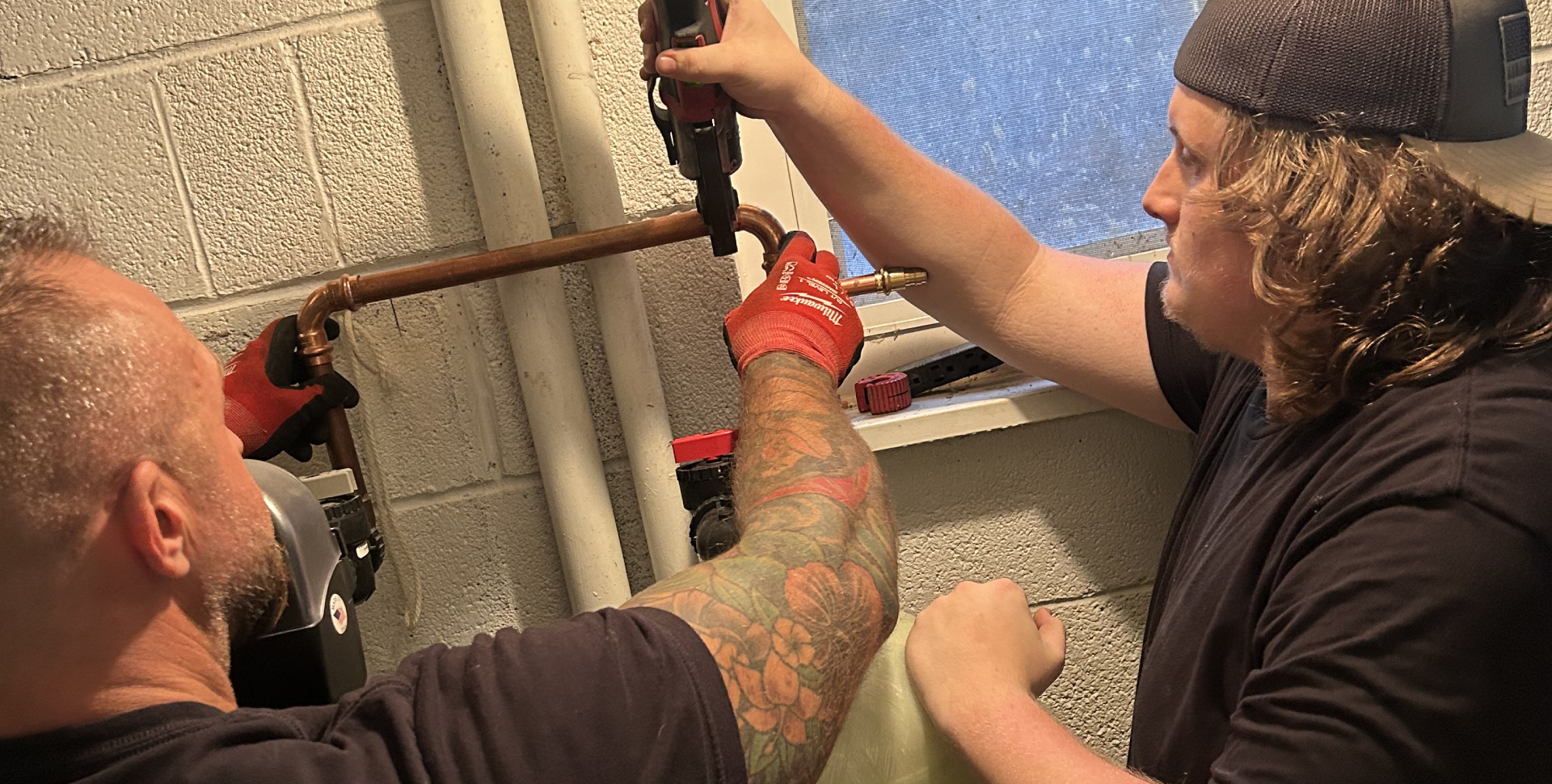
A reverse osmosis system treats drinking water at a specific tap. It is usually installed under the kitchen sink and connected to a dedicated faucet. RO systems are often used to improve drinking water taste and reduce certain dissolved substances.
The two systems are not the same. A water softener does not provide the same drinking water filtration as reverse osmosis. A reverse osmosis system does not soften the whole home or protect every fixture from hardness minerals.
For example, if your main concern is scale on faucets, cloudy dishes, stiff laundry, and buildup in appliances, a water softener is likely the better first step. If your main concern is the taste of drinking water, ice quality, or water used for cooking, reverse osmosis may be the better choice.
Some homes benefit from both. A water softener can reduce hard water throughout the home, while a reverse osmosis system can provide treated drinking water at the kitchen sink. This setup can be useful when a home has both hardness problems and drinking water concerns.
Rocky Mountain Plumbing Services can help you compare options based on water testing, plumbing layout, household use, and your goals. The right answer depends on the home, not a one-size-fits-all recommendation.
How To Choose The Right Water Softener
How to pick the right water softener starts with testing your water. You need to know how hard the water is before choosing a system. Without that information, it is easy to choose equipment that is too small, too large, or not suited to your home.
Household size also matters. A home with two people does not use water the same way as a home with five people. Showers, laundry, dishwashing, cooking, and daily routines all affect system needs.
Your plumbing layout matters, too. A water softener needs a good installation location. It should be close enough to the main water line to treat the home properly. It also needs drainage, power in many cases, space for equipment, and access for maintenance.
System size is another key part of choosing a water softener. A system that is too small may regenerate too often or fail to keep up during normal use. A system that is too large may cost more than needed. Proper sizing helps the system work well without unnecessary waste.
Maintenance should also be part of the decision. Traditional softeners usually need salt added on a regular basis. Homeowners should understand how often to check salt levels, what regeneration means, and when to call for service.
Equipment quality matters, but the installation matters just as much. Even a good system can perform poorly if it is installed in the wrong place, sized incorrectly, or set up without care.
Rocky Mountain Plumbing Services helps homeowners choose water softener systems based on real conditions in the home. That includes water quality, water use, plumbing access, and long-term maintenance. The goal is not to sell the biggest system. The goal is to recommend the right one.
What To Expect During Water Softener Installation In Colorado Springs
Installing a water softener starts with understanding the home’s plumbing layout. A plumber will look for the best place to connect the system so it can treat water before it reaches most fixtures and appliances.
Common locations include basements, garages, utility rooms, mechanical rooms, or spaces near the water heater. The best location depends on the main water line, drain access, power, space, and service access.
Before installation, water testing may be done or reviewed. This helps confirm the hardness level and system settings. The plumber may also talk through your household water use, maintenance expectations, and any concerns you have about the equipment.
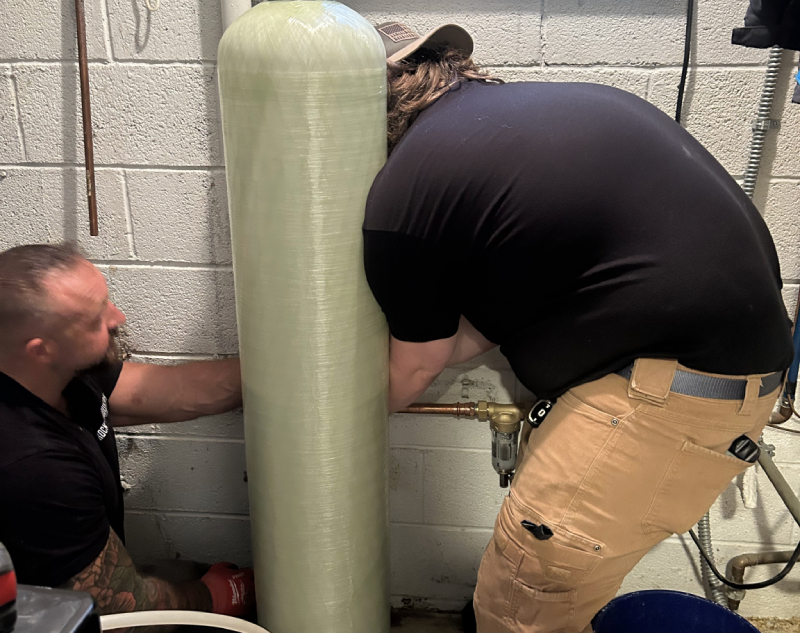
During installation, the water supply is shut off so the system can be connected safely. The plumber connects the softener to the home’s water line, installs a bypass valve, connects the drain line, and sets up the brine tank. The bypass valve is important because it allows water to move around the system when service is needed.
Once the system is connected, it is checked for leaks and proper operation. The settings are programmed based on the equipment, water hardness, and household needs. A careful setup helps the softener regenerate correctly and treat water as intended.
How long installation takes depends on the home. Replacing an old system may be more direct if the existing plumbing is in good condition. A first-time installation may take more work, especially if new plumbing connections or drainage changes are needed.
After installation, the plumber should explain how the system works. You should know how to check salt, what regeneration means, how the bypass valve works, and when to ask for service.
Rocky Mountain Plumbing Services handles water softener installation with a focus on code-compliant workmanship, clear communication, and respectful service. Homeowners should feel comfortable with the system before the job is done.
Water Softener Systems
Water softener systems are designed to reduce hard water minerals before they move through the home. For Colorado Springs homeowners, that can make a noticeable difference in cleaning, bathing, laundry, and appliance care.
The right system depends on water hardness, home size, plumbing layout, and daily water use. It should be sized correctly, installed properly, and explained clearly. A softener is part of the plumbing system, so it should not be treated like a simple plug-in appliance.
A good system can help reduce scale on fixtures, support better performance from water-using appliances, and make cleaning less frustrating. It can also help protect water heaters, dishwashers, washing machines, and other equipment from mineral buildup.
That does not mean every home needs the same setup. Some homeowners may need a basic softener. Others may need a larger system or a combination of water softening and reverse osmosis. Testing and a professional review help make that decision clearer.
Rocky Mountain Plumbing Services installs water softener systems for homeowners in Colorado Springs and nearby areas. The team brings Master Plumber-led experience, honest recommendations, and a homeowner-first approach to every installation.
If hard water is causing spots, scale, appliance wear, or cleaning problems in your home, Rocky Mountain Plumbing Services can help. Schedule water testing, ask about water softener systems, or request an estimate for your Colorado Springs home.
Contact us for clear guidance from a local plumbing team. This guide to water softeners is a helpful starting point, but your home’s water should guide the final decision. We can help you understand your options, compare systems, and choose a solution that fits your plumbing, your water quality, and your goals.
Recent Posts
Why Does Water Taste Different in Colorado Springs Neighborhoods?
Have you ever noticed that water at a friend's house across town tastes different from [...]
Hard Water vs. Soft Water: What is the Difference?
If you live in Colorado Springs, you have probably noticed white spots on your dishes, [...]
What Is Reverse Osmosis?
Many Colorado Springs homeowners ask us what is reverse osmosis and whether it is the [...]