

Choosing a water filter can feel overwhelming when you start looking at the options. There are pitcher filters, faucet-mounted units, under-sink systems, whole-home setups, and reverse osmosis systems. Each one works differently and solves different problems.
The right choice depends on what is in your water and what you want to improve. A filter that works well for chlorine taste may not help with dissolved minerals. A system designed for drinking water may not address hard water throughout the house.
Rocky Mountain Plumbing Services helps Colorado Springs homeowners sort through the options and find equipment that actually matches their water quality concerns. Here is what to consider before making a decision.
How To Choose A Water Filter
The first step in learning how to choose a water filter is identifying what problem you are trying to solve. Are you concerned about taste? Mineral buildup? Specific contaminants? The answer shapes everything that follows.
Start by thinking about what bothers you most about your current water. If chlorine taste is the main issue, a carbon filter may be all you need. If you are dealing with hard water, scale buildup, and dry skin, a water softener is a better fit than a drinking water filter. If you want the cleanest possible drinking water, a reverse osmosis system is worth considering.
You should also think about where you want filtered water. Some homeowners only want better drinking water at the kitchen sink. Others want treated water throughout the entire house. That decision affects the type and size of equipment you need.
Budget matters too, but it should not be the only factor. A cheap filter that does not address your actual water concerns is not a good investment. A properly matched system provides real value over time.
Understanding Your Water Test Results
Before choosing any filtration equipment, you need to know what is in your water. Understanding your water test results is what separates a smart purchase from a guess.
A water test measures factors like hardness, pH, chlorine, iron, total dissolved solids, and sometimes specific metals or contaminants. Each measurement tells you something about your water and points toward the type of treatment that would help.
For example, if your test shows high hardness (above 7 GPG), a water softener addresses that issue. If TDS is elevated and you want cleaner drinking water, a reverse osmosis system reduces those dissolved substances. If chlorine is the primary concern, a carbon filter handles it effectively.
Without test results, you are choosing equipment based on assumptions. That can lead to buying something that does not solve your actual problem or spending more than necessary on a system with capabilities you do not need.
Rocky Mountain Plumbing Services offers water testing as part of our treatment system evaluations. We use your results to recommend equipment that fits your specific situation.
Types Of Water Filters
There are several types of water filters available for residential use. Each one targets different concerns and fits different applications.
Carbon filters are the most common. They use activated carbon to reduce chlorine, improve taste, and remove certain organic compounds. You will find carbon filtration in pitcher filters, faucet attachments, under-sink units, and whole-home systems.
Sediment filters remove larger particles like dirt, rust, and sand. They are often used as a pre-filter to protect other equipment downstream.
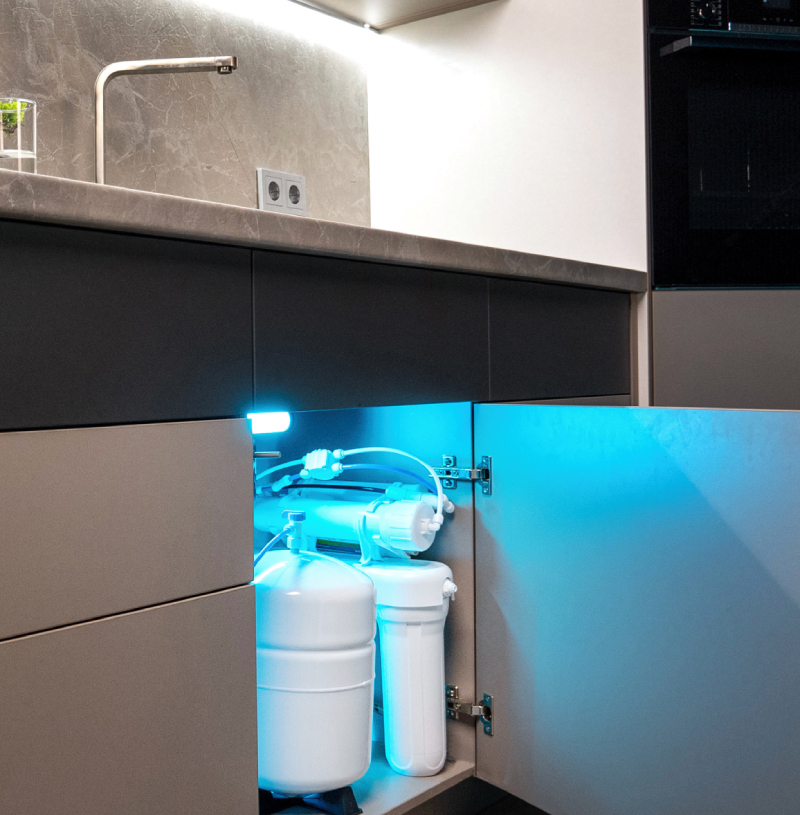
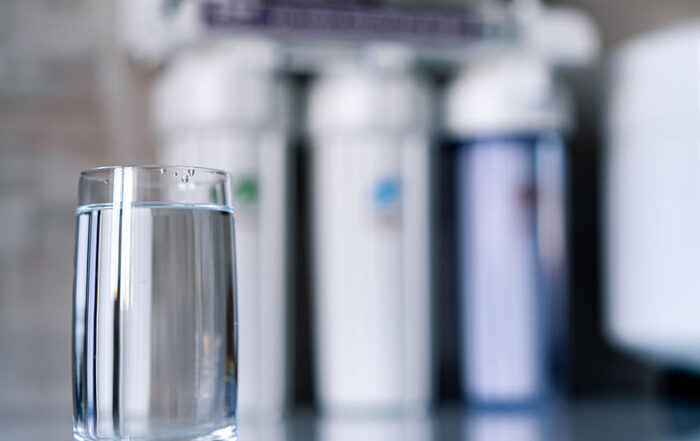
Reverse osmosis systems use a semi-permeable membrane to reduce dissolved minerals, metals, and other substances from drinking water. They provide the most thorough purification for drinking and cooking water.
Water softeners use ion exchange to remove hardness minerals. While technically not a filter, they are often part of a complete water treatment approach for homes with hard water.
Some homes benefit from combining multiple types. A whole-home softener paired with an under-sink reverse osmosis system is a common setup in Colorado Springs homes.
Best Water Filter For Home Use
The best water filter for home use is the one that matches your water quality and your goals. There is no single answer that works for every household.
For Colorado Springs homeowners dealing with hard water and chlorine taste, a whole-home carbon filter combined with a water softener covers most concerns. Add a reverse osmosis system at the kitchen sink if you want the highest quality drinking water.
If your water test shows relatively low hardness and your main concern is taste, an under-sink carbon filter or reverse osmosis system may be all you need. The key is matching the equipment to your actual water conditions.
Rocky Mountain Plumbing Services installs reverse osmosis systems and other filtration equipment for homeowners who want practical, reliable solutions. We size and recommend systems based on your water test results, household size, and specific concerns.
If you are ready to start choosing a water filter that actually fits your home, contact us at Rocky Mountain Plumbing to schedule a water test or request an estimate. We will help you find the right system without overcomplicating the process.
Recent Posts
Tips for Choosing a Water Filter for Your Home
Choosing a water filter can feel overwhelming when you start looking at the options. There [...]
Why Does Water Taste Different in Colorado Springs Neighborhoods?
Have you ever noticed that water at a friend's house across town tastes different from [...]
Hard Water vs. Soft Water: What is the Difference?
If you live in Colorado Springs, you have probably noticed white spots on your dishes, [...]