

Replacing a water heater raises a question many Colorado Springs homeowners face: should you stick with a traditional tank or switch to a tankless system?
The tankless vs. tank water heater decision comes down to your household’s hot water needs, installation costs, available space, and long-term maintenance.
Both systems can provide reliable hot water. Understanding how they work, especially with Colorado Springs’ varying water hardness, can help you choose one that fits your home.
How Tank Water Heaters Work
A traditional tank water heater stores a set amount of hot water, usually between 40 and 80 gallons. Gas or electric heating components keep that water at the temperature selected on the thermostat.
When you turn on a hot water faucet, heated water leaves the tank and cold water enters to replace it. The system then heats the incoming water.
Tank heaters remain a practical choice for many households because they’re generally less expensive to purchase and install.
They also have some limitations. Once the stored hot water runs out, you’ll need to wait for the tank to recover. The system also uses energy to maintain the water temperature, even when nobody is using hot water.
Most traditional tank heaters last approximately 8–12 years, depending on water quality, maintenance, and operating conditions.
How Tankless Water Heaters Work
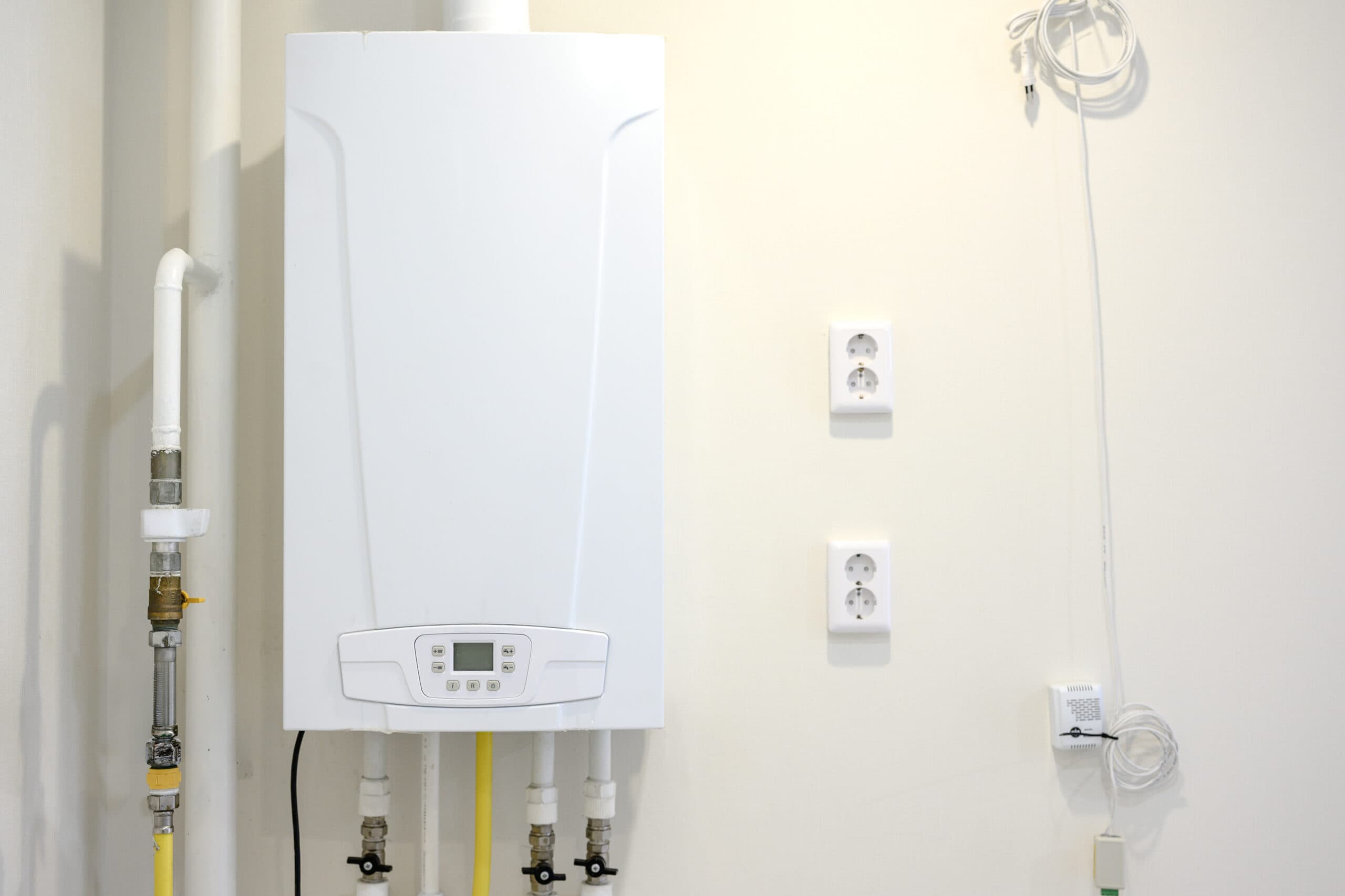
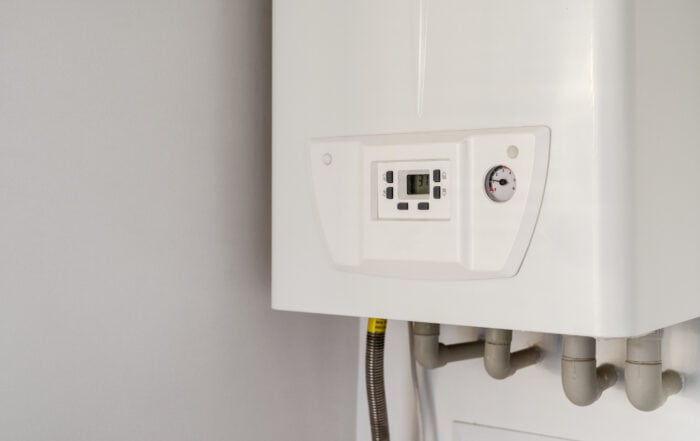
Tankless water heaters heat water as it flows through the unit rather than storing it in a large tank.
When you open a hot water faucet, a flow sensor activates the heating system. Water passes through a heat exchanger and reaches the desired temperature before traveling to your fixture.
A properly sized tankless unit can provide continuous hot water without waiting for a storage tank to refill. However, it can only heat a certain amount of water at once.
If several showers, faucets, and appliances run simultaneously, an undersized system may struggle to maintain the desired temperature.
Homeowners comparing tankless water heater gas vs. electric models should consider their home’s existing utilities.
Gas tankless heaters typically offer higher heating capacity but may require venting or gas line upgrades. Electric models avoid combustion venting, although whole-home units can require substantial electrical capacity.
In Colorado Springs, gas-fired water heaters also need to be rated and configured for the local elevation according to manufacturer requirements.
Tankless Water Heater Pros and Cons
Understanding the tankless water heater pros and cons helps put the higher purchase price into perspective.
Advantages of Tankless Water Heaters
- Longer expected lifespan: Tankless units can last 15-20 years or longer with proper maintenance, compared with approximately 8–12 years for many tank heaters.
- Lower standby energy use: Tankless systems avoid repeatedly heating stored water, which can reduce energy consumption depending on household usage.
- Space savings: Wall-mounted tankless units take up less room than traditional storage tanks.
- Continuous hot water: A correctly sized system can keep supplying hot water during extended use, provided demand stays within its rated capacity.
Disadvantages of Tankless Water Heaters
- Higher upfront cost: Equipment and installation generally cost more, particularly when gas, electrical, or venting modifications are necessary.
- Flow limitations: A single unit may struggle when several fixtures demand hot water simultaneously.
- Mineral buildup: Hard water can cause scale to collect inside the heat exchanger, reducing performance and increasing maintenance needs.
- More involved servicing: Tankless units require regular descaling where mineral levels warrant it, along with maintenance specified by the manufacturer.
Colorado Springs homeowners should pay particular attention to water quality. Calcium and magnesium deposits can affect both heater types, but the narrow passages inside tankless heat exchangers are especially sensitive to scale.
Appropriate water treatment systems may help reduce mineral-related problems after testing confirms the home’s water conditions.
Is a Tankless Water Heater Worth It?
So, is a tankless water heater worth it for your home?
For households with steady hot water demand, limited installation space, and plans to remain in the property for many years, tankless equipment may justify its higher initial cost.
A traditional tank heater may make better financial sense if your existing system meets your needs and you want to keep replacement costs manageable.
Before deciding, consider how many people live in your home, how often multiple fixtures run together, and whether your plumbing or utilities need upgrading.
Water hardness also deserves attention. Installing a tankless heater without addressing significant scale problems can lead to avoidable maintenance expenses.
Master Plumber Shane Ebersbach brings more than 25 years of plumbing experience to Rocky Mountain Plumbing. His team can evaluate your home’s hot water demand, existing connections, and water conditions before recommending a suitable system.
The right choice in the tankless vs. tank water heater comparison depends on what your household actually needs.
Explore our water heater repair and replacement services in Colorado Springs, or request a free estimate from Rocky Mountain Plumbing Services to discuss your replacement options.
Recent Posts
What Size Water Heater Do I Need? A Guide for Colorado Springs Homes
You've got family visiting, the dishwasher is running, and someone has just started a second [...]
Tankless vs. Tank Water Heater: Which Is Better for Your Home?
Replacing a water heater raises a question many Colorado Springs homeowners face: should you stick [...]
How Long Do Water Heaters Last? Signs It’s Time to Replace
Most homeowners don't think about their water heater until the shower turns cold or they [...]