

Understanding water purification methods can help you make better decisions about the water your family uses every day. For homeowners in Colorado Springs, water quality concerns can include hard water, mineral buildup, sediment, and changes in taste or odor.
The right solution depends on what is in your water and what you want to improve. Some homeowners need better-tasting drinking water, while others want to reduce scale buildup that affects fixtures, appliances, and plumbing systems.
Rocky Mountain Plumbing Services helps homeowners in the area understand their water quality options with honest recommendations and Master Plumber-led experience. Before choosing equipment, it is important to understand the different types of water purification and how each system works.
Types of Water Purification
There are several types of water purification systems used in residential homes. Each method targets different water concerns, and many homes use a combination of solutions.
Sediment Filtration
Sediment filters are often the first stage in a water treatment system. They remove larger particles such as dirt, sand, rust, and other debris that can enter your home’s water supply.
This type of filtration can help protect plumbing components and improve the performance of other treatment equipment.
Carbon Filtration
Carbon filtration uses activated carbon to reduce chlorine taste, odors, and certain organic compounds. Many whole-home filtration systems and drinking water filters use carbon because it can improve the overall taste and smell of water.
Reverse Osmosis Systems
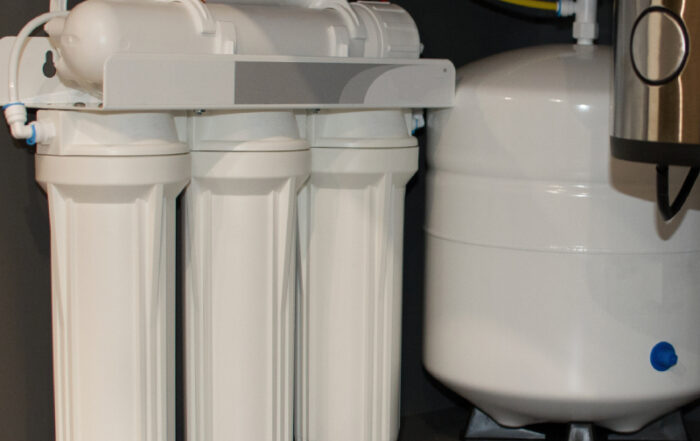
Reverse osmosis (RO) systems use a specialized membrane to reduce dissolved minerals, certain metals, and other substances from drinking water.
Many homeowners install reverse osmosis systems under the kitchen sink to provide cleaner-tasting water for drinking, cooking, and making beverages.
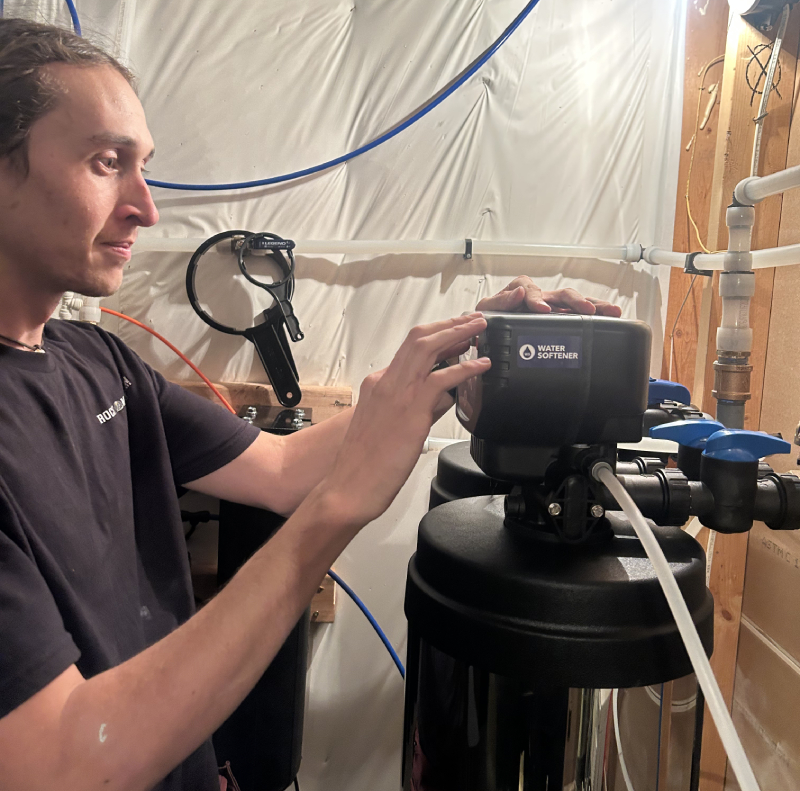
Water Softening
Water softeners are designed to reduce hardness minerals like calcium and magnesium. These minerals are common causes of scale buildup, spots on dishes, and soap that does not rinse away easily.
A water softener treats water throughout the home, helping protect fixtures, appliances, and plumbing from excessive mineral buildup.
UV Purification
UV purification uses ultraviolet light to target microorganisms. It is commonly used in certain applications, including homes with well water or specific water quality concerns.
The best option depends on your water source and the results of professional water testing.
Water Purification Techniques Explained
Different water purification techniques work in different ways. Choosing the right method starts with understanding what each system is designed to do.
Filtration systems typically remove unwanted particles or improve taste and odor. Reverse osmosis focuses on reducing dissolved substances from drinking water. Water softeners address hardness minerals that create scale and affect everyday water use.
Some homeowners benefit from combining multiple treatment methods. For example:
- A whole-home water softener can reduce hardness throughout the house.
- A carbon filter can improve taste and odor.
- A reverse osmosis system can provide purified drinking water at the kitchen sink.
There is no single system that solves every water concern. A proper water test helps determine which equipment makes sense for your home.
How Does the Water Purification Process Work?
The water purification process depends on the type of system installed. Most residential systems use physical filtration, chemical processes, or a combination of both.
A carbon filter works by passing water through activated carbon, which captures certain compounds that affect taste and smell.
A reverse osmosis system pushes water through a semi-permeable membrane. Water molecules pass through the membrane while larger dissolved particles are reduced. Most RO systems also include prefilters and postfilters to improve performance.
A water softener uses a process called ion exchange. Resin beads inside the system attract hardness minerals and replace them with sodium or potassium ions. The system then cleans itself during a regeneration cycle so it can continue operating.
Because different systems solve different problems, testing your water before installing equipment can help prevent unnecessary expenses and ensure you choose the right solution.
How to Choose Water Purification at Home
Many homeowners ask how to purify water at home and which system is best for their needs. The answer depends on your water quality concerns.
If your main concern is drinking water taste, a carbon filter or reverse osmosis system may provide the improvement you are looking for.
If you notice:
- White mineral spots on fixtures
- Scale buildup around faucets
- Dry skin after showers
- Appliances wearing out faster
You may be dealing with hard water and may benefit from a water softener.
For Colorado Springs homeowners, local water conditions can make water treatment an important part of protecting your home. Rocky Mountain Plumbing Services can test your water, evaluate your plumbing, and recommend a system designed around your household needs.
Benefits of Water Purification for Your Home
The benefits of water purification go beyond improving taste. The right system can help protect your home and make everyday tasks easier.
Water treatment can help:
- Reduce mineral buildup on fixtures and appliances
- Improve drinking water taste and odor
- Help soaps and detergents work more effectively
- Protect water heaters, dishwashers, and washing machines
For many local homeowners, a properly selected water treatment system provides better water quality and long-term value.
Rocky Mountain Plumbing Services installs water treatment systems for homeowners looking for practical, reliable solutions. Our team can help you compare water purification options, understand your water test results, and choose equipment that fits your home.
If you want to learn more about water purification methods for your Colorado Springs home, contact us to schedule water testing or request an estimate. Rocky Mountain Plumbing Services provides honest recommendations, quality installations, and code-compliant workmanship.
Recent Posts
Why Does Water Taste Different in Colorado Springs Neighborhoods?
Have you ever noticed that water at a friend's house across town tastes different from [...]
Hard Water vs. Soft Water: What is the Difference?
If you live in Colorado Springs, you have probably noticed white spots on your dishes, [...]
What Is Reverse Osmosis?
Many Colorado Springs homeowners ask us what is reverse osmosis and whether it is the [...]