

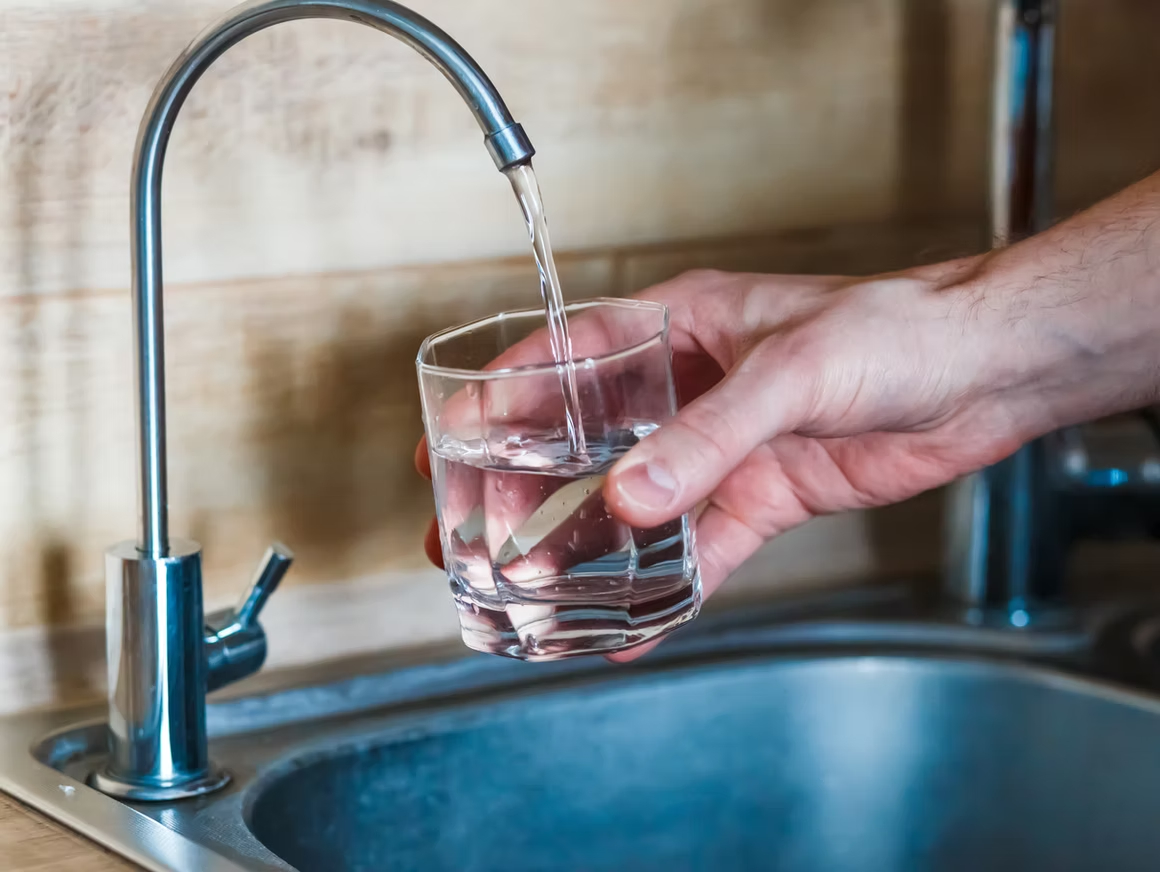
Water quality testing is one of the most useful steps you can take before installing any water treatment equipment. Without a clear picture of what is in your water, it is hard to know which system will actually help. Too many homeowners buy equipment based on symptoms alone, and that can lead to the wrong setup.
Rocky Mountain Plumbing Services recommends testing before making decisions. A water test gives you real numbers to work with, not guesses. That information helps you choose the right equipment, avoid overspending, and protect your plumbing.
Common Water Contaminants to Look For
Your water may look clear and still contain minerals, chlorine, or dissolved substances that affect your home. Hard water can cause scale buildup. Chlorine can affect taste. Other factors may influence how your fixtures, appliances, and plumbing perform over time.
In Colorado Springs, water conditions can vary from one neighborhood to the next. Two homes a few miles apart may have different hardness levels, different mineral content, and different treatment needs. A test removes the guesswork and identifies exactly what needs to be addressed.
There are several common water contaminants to look for when evaluating your home’s water supply:
- Hardness minerals, primarily calcium and magnesium, are the most frequent concern for local homeowners. These minerals create scale buildup inside pipes and water heaters.
- Chlorine and chloramines are added by municipal treatment plants to keep water safe. While necessary for public health, they often leave a strong chemical taste and smell at the tap.
- Total dissolved solids (TDS) provide a general measurement of dissolved minerals and substances in your water. A high TDS reading often indicates the need for more specific testing.
- Iron and other metals can enter the water supply through aging infrastructure or well water sources. Iron can cause rust-colored stains on plumbing fixtures and affect the taste of drinking water.
How To Test Water Quality
Many homeowners wonder how to test water quality effectively. The approach depends on what you are looking for and how accurate the results need to be.
Some homeowners start with a simple at-home test kit. These kits can give a general idea of hardness and a few other factors. They are a good starting point, but they may not be as detailed as a professional test.
A plumbing professional can collect a sample and send it to a lab for a more complete analysis. That can include hardness, pH, chlorine, iron, TDS, and other measurements that help guide equipment decisions.
Rocky Mountain Plumbing Services can help with water testing as part of a treatment system evaluation. The goal is to understand your water before recommending equipment, not after. That way, any system installed is based on real data from your home.
Testing is a small step that can save time and money. It can also help you feel more confident about the equipment you choose.
When Should You Test Drinking Water?
Knowing when to test drinking water can help you catch issues before they cause damage to your plumbing or appliances.
You should test your water if you notice the following:
- White mineral spots on fixtures and dishes
- Scale buildup around faucets and showerheads
- Dry skin or hair after showering
- Changes in water taste or odor
- Appliances wearing out faster than expected
You should also test your water before investing in any water treatment equipment. Matching the system to your actual water conditions is the practical approach.
Testing helps avoid oversized or undersized equipment. A water softener that is too small may not keep up with your household. A system that is too large may cost more than needed.
If you are planning a bathroom or kitchen remodel, testing your water is a smart preventative measure. Installing new fixtures only to have them damaged by hard water is a frustrating and expensive mistake.
How To Understand Water Testing Results
Once you have your water testing results, the next step is understanding what they mean for your home. A plumber can walk you through the numbers and explain which concerns are worth addressing and which ones may not need treatment.
If hardness is the main issue, a water softener may be the right fit. If taste or dissolved substances are the concern, a reverse osmosis system or carbon filter may make more sense. Some homes benefit from a combination of systems working together.
Your plumbing layout, household size, and water use all factor into the recommendation. A system should be sized and installed based on your specific conditions, not a generic chart.
Rocky Mountain Plumbing Services helps homeowners move from water quality testing results to practical solutions. The team can explain your options, recommend water treatment systems that match your water, and handle installation with code-compliant workmanship.
If you want to understand your water before investing in equipment, contact us to schedule water quality testing or request an estimate. Clear answers start with good information.
Recent Posts
Why Does Water Taste Different in Colorado Springs Neighborhoods?
Have you ever noticed that water at a friend's house across town tastes different from [...]
Hard Water vs. Soft Water: What is the Difference?
If you live in Colorado Springs, you have probably noticed white spots on your dishes, [...]
What Is Reverse Osmosis?
Many Colorado Springs homeowners ask us what is reverse osmosis and whether it is the [...]