

Many Colorado Springs homeowners ask us what is reverse osmosis and whether it is the right choice for their home. If you are looking for cleaner, better-tasting drinking water, it is one of the most effective solutions available.
Unlike basic filters that only catch large particles or mask bad tastes, this method addresses dissolved minerals and impurities that other systems miss. Understanding how the process works can help you decide if it makes sense for your household.
Rocky Mountain Plumbing Services recommends these systems for homeowners who want bottled-water quality straight from their kitchen sink. Before investing in new equipment, it helps to understand the science behind the process and what it actually does for your water.
How Does Reverse Osmosis Work?
To understand how reverse osmosis works, it helps to think about how water moves naturally. In regular osmosis, water flows from an area with a low concentration of dissolved minerals to an area with a higher concentration.
Reverse osmosis flips that process around. It uses household water pressure to push water through a specialized, semi-permeable membrane. The membrane has microscopic pores that allow water molecules to pass through while blocking larger dissolved impurities.
The result is two streams of water. The clean, purified water flows to a storage tank for you to drink. The rejected water, carrying the dissolved minerals and impurities, flushes safely down the drain. This continuous process ensures you always have fresh, clean water ready when you turn on the tap.
The Stages of a Reverse Osmosis System
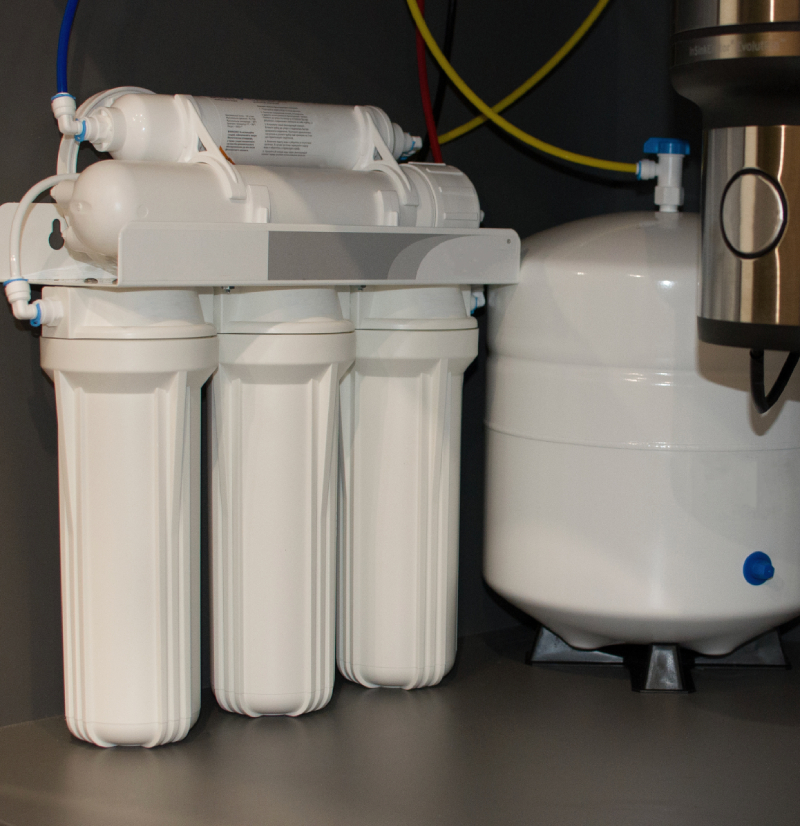
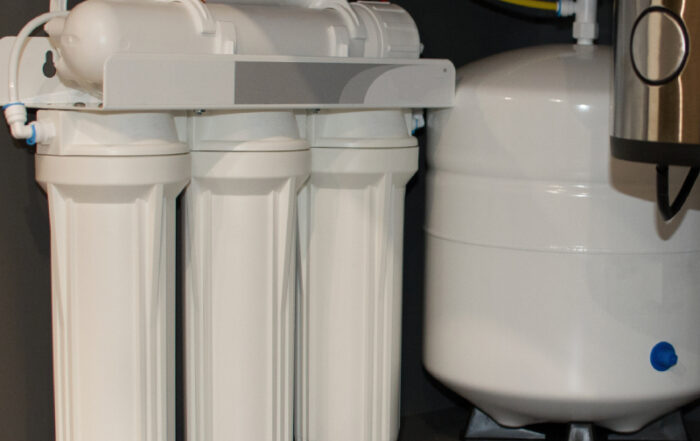
While the membrane does the heavy lifting, how does a reverse osmosis system work as a complete unit? Most residential setups use a multi-stage process to protect the membrane and improve water quality even further.
A typical system starts with a pre-filter. This stage removes sediment, dirt, and rust that could clog the delicate membrane. Next, a carbon filter removes chlorine and chloramines. This step is important because chlorine can damage the membrane over time, and removing it improves the taste immediately.
After the pre-filters, the water reaches the reverse osmosis membrane. This is where the primary purification happens. The clean water then moves to a small storage tank, usually located under the kitchen sink.
When you turn on the dedicated drinking water faucet, the water leaves the tank and passes through a final post-filter. This last carbon filter polishes the water, removing any lingering tastes or odors before it reaches your glass.
What Contaminants Does Reverse Osmosis Remove?
Homeowners often want to know exactly what contaminants reverse osmosis removes from their tap water. Because the membrane pores are so small, the system is highly effective at reducing a wide range of dissolved substances.
In Colorado Springs, many homes deal with high levels of calcium, magnesium, and other dissolved minerals. A reverse osmosis system reduces these effectively.
The process also targets:
- Lead and copper from aging plumbing
- Sodium and chloride
- Fluoride and chlorine used in municipal treatment
- Nitrates and sulfates
- Arsenic and certain heavy metals
While it is highly effective, it is not a complete solution for every water issue. For example, it does not solve whole-home hard water problems the way a water softener does. Instead, it provides highly purified water specifically for drinking and cooking.
What Are the Benefits of Reverse Osmosis?
The benefits of reverse osmosis go beyond just having clean water to drink. For many families, installing a system changes how they use water in their kitchen every day.
The most immediate benefit is the taste. Without chlorine, dissolved minerals, and metallic tastes, your tap water tastes fresh and clean. Coffee, tea, and soups taste better when made with purified water. Ice cubes come out clearer and free of cloudy mineral deposits.
It also provides a practical alternative to bottled water. You get the same high quality without the ongoing expense or the environmental impact of single-use plastics. The convenience of having purified water right at the sink makes it easier for the whole family to stay hydrated.
For homeowners looking to improve their drinking water, these systems offer reliable, long-term performance with straightforward maintenance.
Rocky Mountain Plumbing Services can help you evaluate your water quality and determine if this is the right solution for your home. We install high-quality reverse osmosis systems designed to provide years of dependable service.
If you are still wondering what reverse osmosis is and whether it fits your needs, contact us to learn more. We can test your water, explain your options, and help you make an informed decision for your home.
Recent Posts
Why Does Water Taste Different in Colorado Springs Neighborhoods?
Have you ever noticed that water at a friend's house across town tastes different from [...]
Hard Water vs. Soft Water: What is the Difference?
If you live in Colorado Springs, you have probably noticed white spots on your dishes, [...]
What Is Reverse Osmosis?
Many Colorado Springs homeowners ask us what is reverse osmosis and whether it is the [...]